Archive | Cheap Eats RSS feed for this section

The Fusion Files Follies

7 Dec


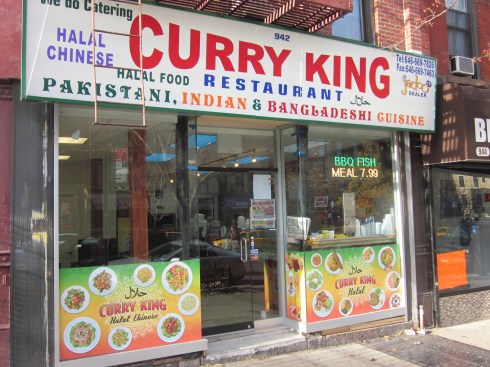
curry king 003

“I’ll have a large General Tso’s Chicken,” I said into the phone.

There was silence on the other end and then: “Chicken? What kind?”

“General Tso’s,” I repeated, looking at the menu for Curry King that advertised Halal Chinese food. I was excited. I wanted to see if there was any difference between the standard Chinese rendition of General Tso’s as opposed to the Indo-Pak Halal version that Curry King was promoting. Besides the halal meats, what made Halal Chinese food unique? Would Indo/Pak/Bangladeshi Chinese automatically be spicier?  I wanted to know.

“Chicken curry?” the voice on the other end of the line asked.

“No, General Tso’s chicken,” I asked again. “From the Chinese section of your menu.”

“Oh, that’s no more,” the voice said.

“What do you mean?” I asked, the deflation apparent in my voice.

“We don’t make the Chinese food anymore,” he said.

“No?”

“No one wants it.”

I wanted it, but I didn’t tell him that. Would it have done any good?

“What about the hot and sour soup?”

“Soup?”

“Yes, the hot and sour soup.”

“I have that,” he said.

I was puzzled that the hot and sour soup was available but no General Tso’s.

“I’ll have it,” I said. And then I went on to order a number of either Indian, Pakistani, or Bangladeshi items—I wasn’t sure what distinguished one from the other.

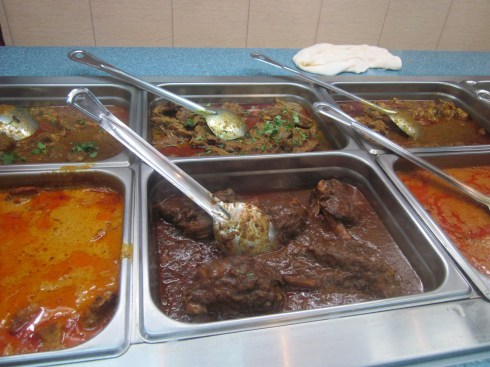
When I arrived to pick up my order, I glanced at the Indian/Pakistani and/or Bangladeshi items in the steam trays behind the counter.

Pakistani? Indian? or Bangladeshi?

Pakistani? Indian? or Bangladeshi?

“Is that the soup?” I asked, pointing to what looked like chicken soup.

“Yes, chicken soup,” the woman behind the counter told me.

“Hot and sour?”

“Chicken soup,” she repeated. “It’s fresh and very good.”

I had no doubt of that. “But it’s not hot and sour?”

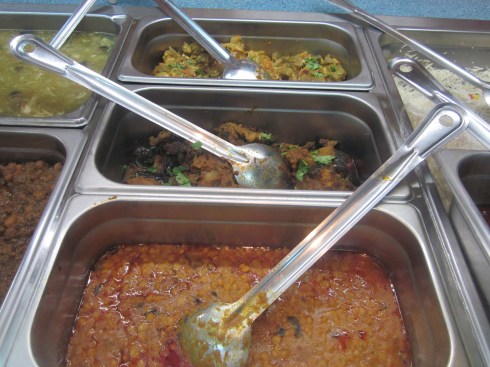
Chicken soup on far left.

Chicken soup on far left.

“We can make it hot,” she said.

I nodded,  but didn’t ask if she could make it sour.


The Ring of Fire on Roosevelt Avenue

4 Dec

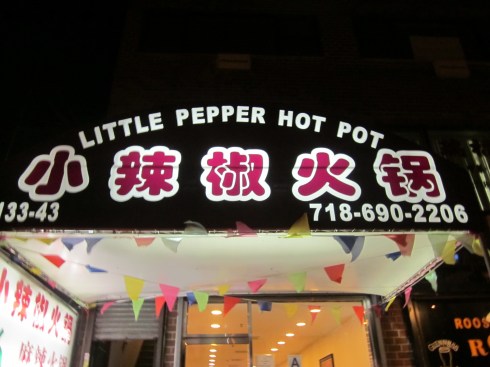
Little Pepper Hot Pot

Little Pepper Hot Pot
133-43 Roosevelt Avenue
Flushing, Queens

“I don’t think I like hot pots,” Gerry wrote in an email after I told him Zio and I were going to spend a Chow City interlude at the Little Pepper Hot Pot in Flushing.

Despite his hasty judgment based on one hot pot experience (Minni’s Shabu Shabu), Gerry agreed to meet the two of us there.

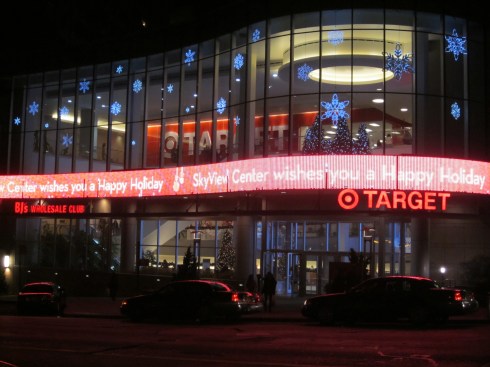
After reading blurbs about the restaurant, I learned that I could park in the garage of the nearby Sky View Center for free for up to three hours. I didn’t think it would take us longer than that to make quick work of Little Pepper’s hot pot so I pulled into the multi-level parking garage and walked through the gleaming, glass enclosed, Taipei City-like mall, passing such culinary stalwarts as Applebee’s and Chucky Cheese on my out to Roosevelt Avenue.

Where am I?

Where am I?

I found Little Pepper Hot Pot across the street from a 1960’s housing development and then recognized it as the location of the great and original Little Pepper (A Cold Sweat in Flushing), which has since relocated to  College Point Avenue.

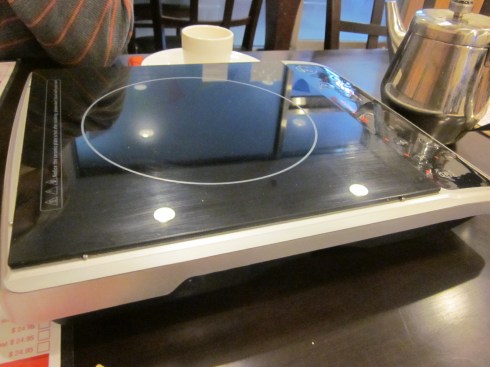
The tables of the narrow restaurant were all adorned with an electric stove top heater. The menu was attached to a clipboard. What turned Gerry, and most of us off about the other hot pot experience was the chaos for first timers. We had no clue what to do and the servers at Shabu Shabu were just too busy to deal with our hot pot virginity.

The hot pot heating device.

The hot pot heating device.

At Little Pepper Hot Pot our waiter spoke perfect English and was patient with our ignorance of things hot pot related. Still, the three of us, sadly, are not quick studies and at first it was a struggle, especially for the menu-challenged Zio.

“I just have no clue,” Zio said, shaking his head and tossing the clipboard.

I took the menu and studied it. It reminded me a little of the SAT tests where you need to blacken little circles next to the correct answers. Where was Mike from Yonkers, the SAT specialist, when we needed him?

Finally, I think I figured it out and explained to Gerry and Zio that for the table we needed to order one hot pot for $25, which would serve as our cooking device. From there we could choose other meat and vegetable items from the menu to toss into the boiling cauldron.

There were three hot pot options: Szechuan (all spicy), half Szechuan and half “Original” (mild), or all Original. We like to think that we are very brave when it comes to spice. No one can tell us something is too hot for us. And there have been instances when condescending waiters, assuming because of our vanilla visages (speaking about my own only) that we cannot tolerate the same heat as those born with the spice resistance gene.

This was, however, an offspring of the original Little Pepper where they definitely did not pull any punches when it came to spice. So in this instance we decided to take the safe route and go with the option number two: the combination pot.

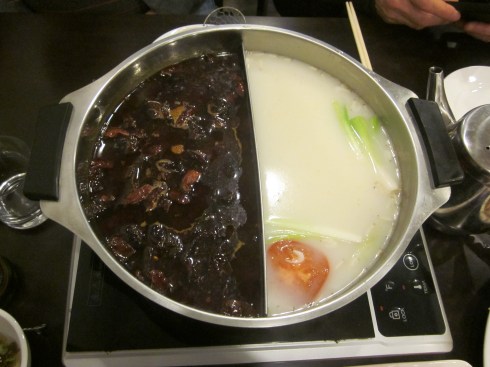
The pot was brought to the table, placed on the portable stove top and turned on. On one side was the chili pepper red Szechuan while on the other was the clear, milky Original—the two separated by a divider. It wasn’t long before both broths were bubbling furiously.

The yin and the yang of hot pots.

The yin and the yang of hot pots.

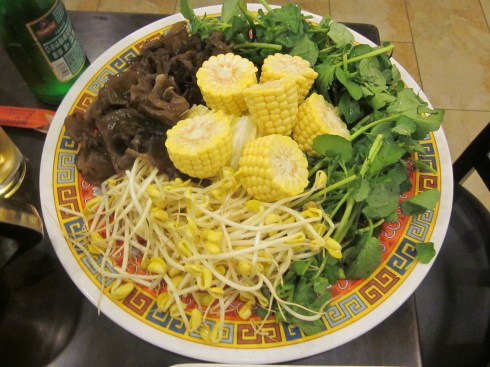
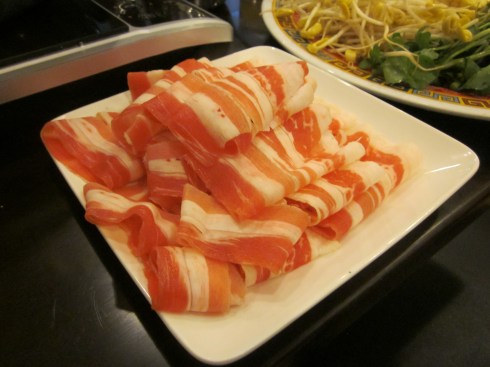
A gigantic tray of vegetables came with the pot: watercress, wood ear mushrooms, corn, bean sprouts, cabbage and a plate of “fatty beef.”

The veggies ready for the pot.

The veggies ready for the pot.

Fatty beef

Fatty beef

Using chopsticks, I started to drop the meat and vegetables into the hot pot.

“Use your hands,” Gerry barked. “You’re taking too long.”

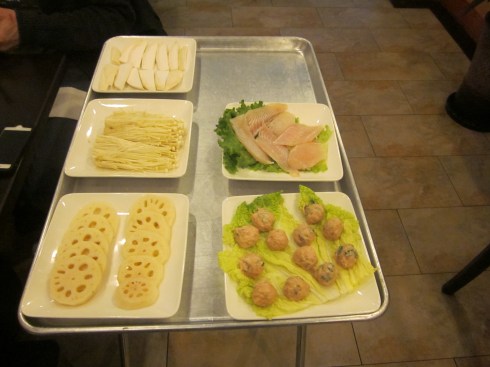
I did as commanded and then the waiter appeared with the other items we ordered: fish, parsley meatballs, king oyster mushrooms, lotus root, cabbage, and enoki mushrooms.

More to go into the pot

More to go into the pot

“Now what the hell are we supposed to do with these?” Zio wondered, holding up one of the slotted, net-like spoons that came with the hot pot.

“Fish out the fish,” Gerry said.

I tried to fish out the fish from the Szechuan side of the pot and came up with something—maybe the wood ear mushrooms and some of that fatty beef. I shoved whatever it was into my mouth and almost immediately my eyes watered and nose ran and I quickly spat it all out. I examined what had flown out of my mouth and was now on my plate. In my insatiable haste, I almost ingested countless pieces of dried hot chilies.

“Next time maybe you’ll be more careful,” Gerry scolded.

And the next time I was able to fish out the fish and the other ingredients that were now all cooked through and deliciously infused with the accumulation of flavors the multiple ingredients gave the broth.

A bubbling cauldron

A bubbling cauldron

The piles of napkins on our table were dwindling at the same rate as the honking noise from our collective noses was increasing. Scooping the meats and vegetables from the “Original” side of the hot pot did little to ease the self inflicted pain from the heat of the Szechuan side. But no one was complaining. It was what we wanted. What we came here for.

Soon, with the exception of the dried chilies and a few enoki mushrooms, there was nothing much left in either side of the pot.

“I’ll be back,” Gerry, who was originally skeptical, said inferring that another trip to Little Pepper Hot Pot was needed.

“Yeah, me too, but not with the Colonel,” Zio said. The Colonel, who was Zio’s partner, had, as Zio made it known many times, a zero tolerance policy when it came to spice. “One sip of this stuff and her tongue would be fried. She wouldn’t be able to talk for a week. Though that’s not a bad idea.”

As I made my way through the enormous mall to try to locate the car somewhere in the bowels of the indoor parking garage, I could feel a burn in my gullet. It made me think of the song “Ring of Fire,” by Johnny Cash. I hummed it in the car driving back home.

The next morning the tune was still in my head, but it was no longer the Johnny Cash version I was humming. The burn had lingered overnight and the effects I was feeling the next morning were closer to how Ray Charles handled it: slow and deliberate and with a raw blast of the blues (see below). The burn and the accompanying pain, I knew, would fade but it wouldn’t be long before I, like Gerry and Zio, would eagerly go back for more of the same.

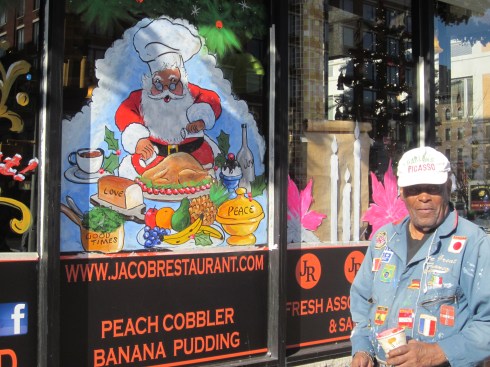
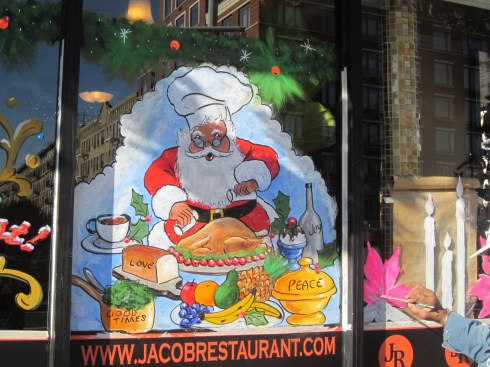
Santa’s Got Soul (Courtesy of Picasso)

30 Nov

Harlem’s Picasso that is.

Harlem's Picasso

The master himself putting the finishing touches on his seasonal creation.

Harlem Picasso

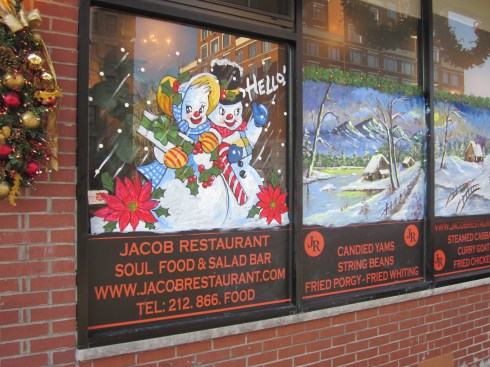
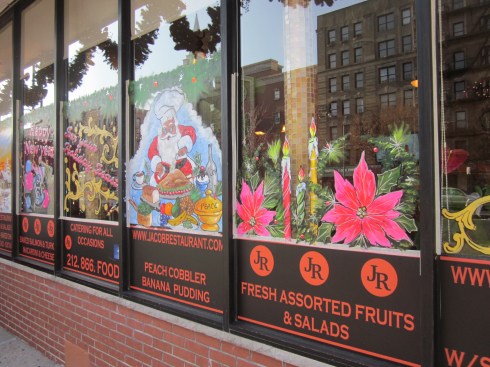
And below, a few glimpses of the Christmas collection at Jacob Restaurant.

Jacob Restaurant

Jacob Restaurant

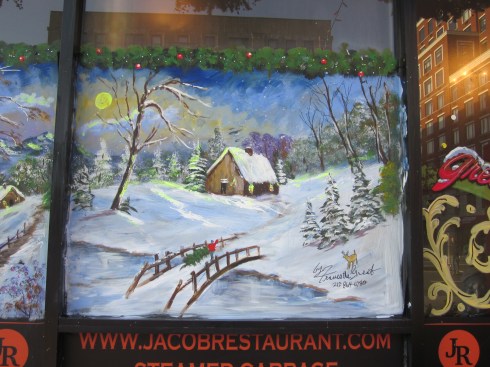
The artist's signature confirms the work's authenticity.

Note the artist’s signature confirming the work’s authenticity.

So there is really no need to brave the midtown crowds for a peek at the windows of Sak’s or Lord & Taylor’s when you can come uptown to Harlem and not only admire Picasso’s work, but eat real good too.

On Pizza, Pomodoros, Putin, and Putinka

27 Nov

I’m a purist in many ways. With few exceptions, I don’t like fusion—unless I’m creating the fusion. When given the choice, as I always am, tap water works for me at a restaurant. I scoff at all the sauces presented to compliment a broiled or grilled piece of prime meat that should need no compliment.  I don’t buy flavored seltzers. If I want lemon or lime, I can easily add my own to plain seltzer.

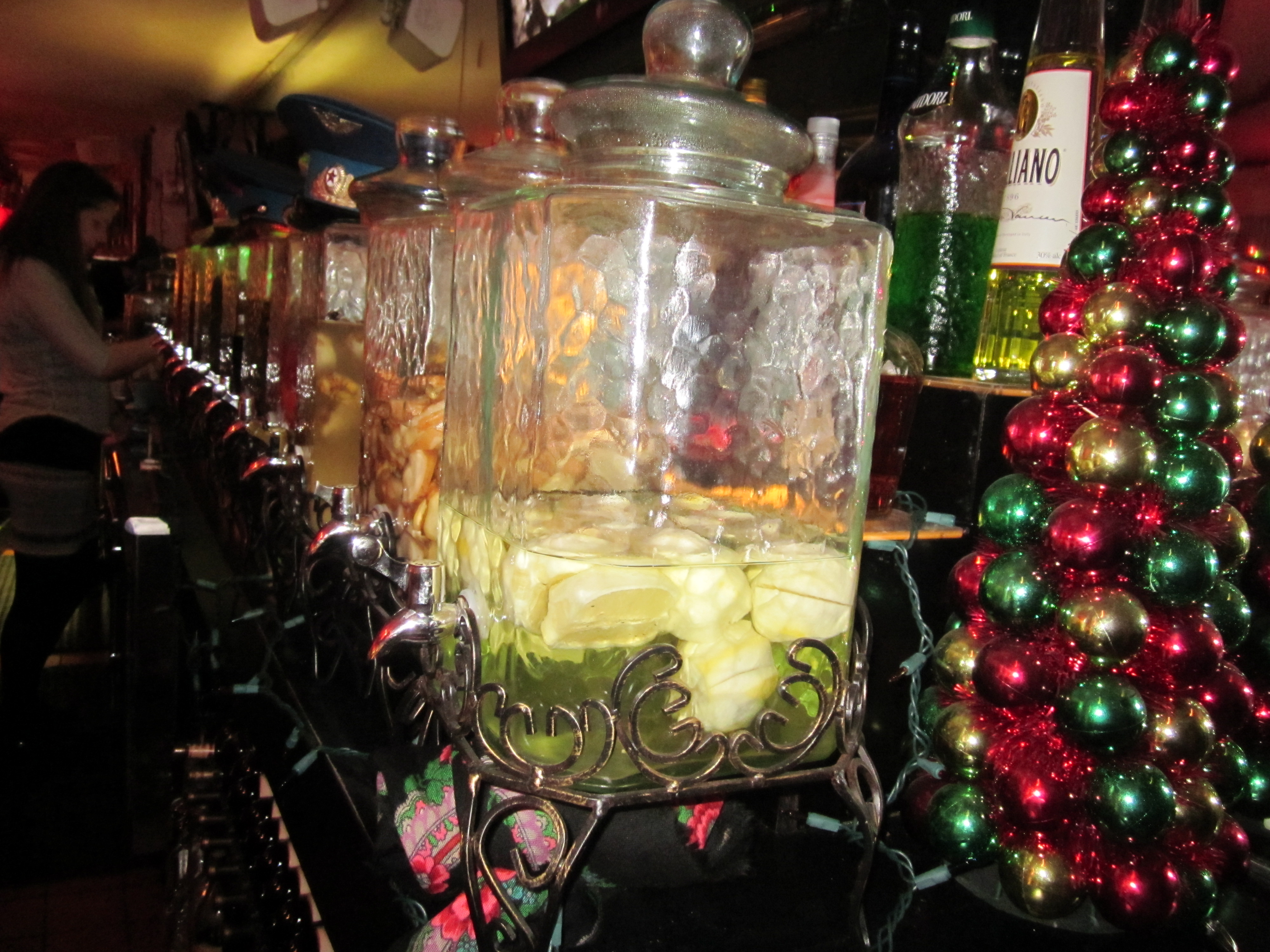
And the same can be said for vodka. Who needs cranberry flavored seltzer when a splash of cranberry juice will suffice? That is, unless I’m in the outstanding Russian Samovar, sitting at the bar and trying to decide which of their house made infused vodkas I should order. Maybe start with a shot of ginger followed by the coriander? See, there are exceptions. I’m not totally unmovable on this.

The Russian Samovar Collection

The state of today’s pizza, I’m afraid, has been a serious blow to my purist sensibilities. You enter a pizzeria now and the cold, congealed varieties presented under Plexiglas counters are staggering. The pies are covered with everything from broccoli to kale, from barbecued shrimp to Buffalo chicken strips.

I like my pizza with tomato sauce and mozzarella; preferably more of the former and lighter on the latter. I have been known to throw on some anchovies to improve a mediocre pie. Beyond that, I have no interest in sausage, pepperoni, meatball, mushrooms or any of the usual toppings.

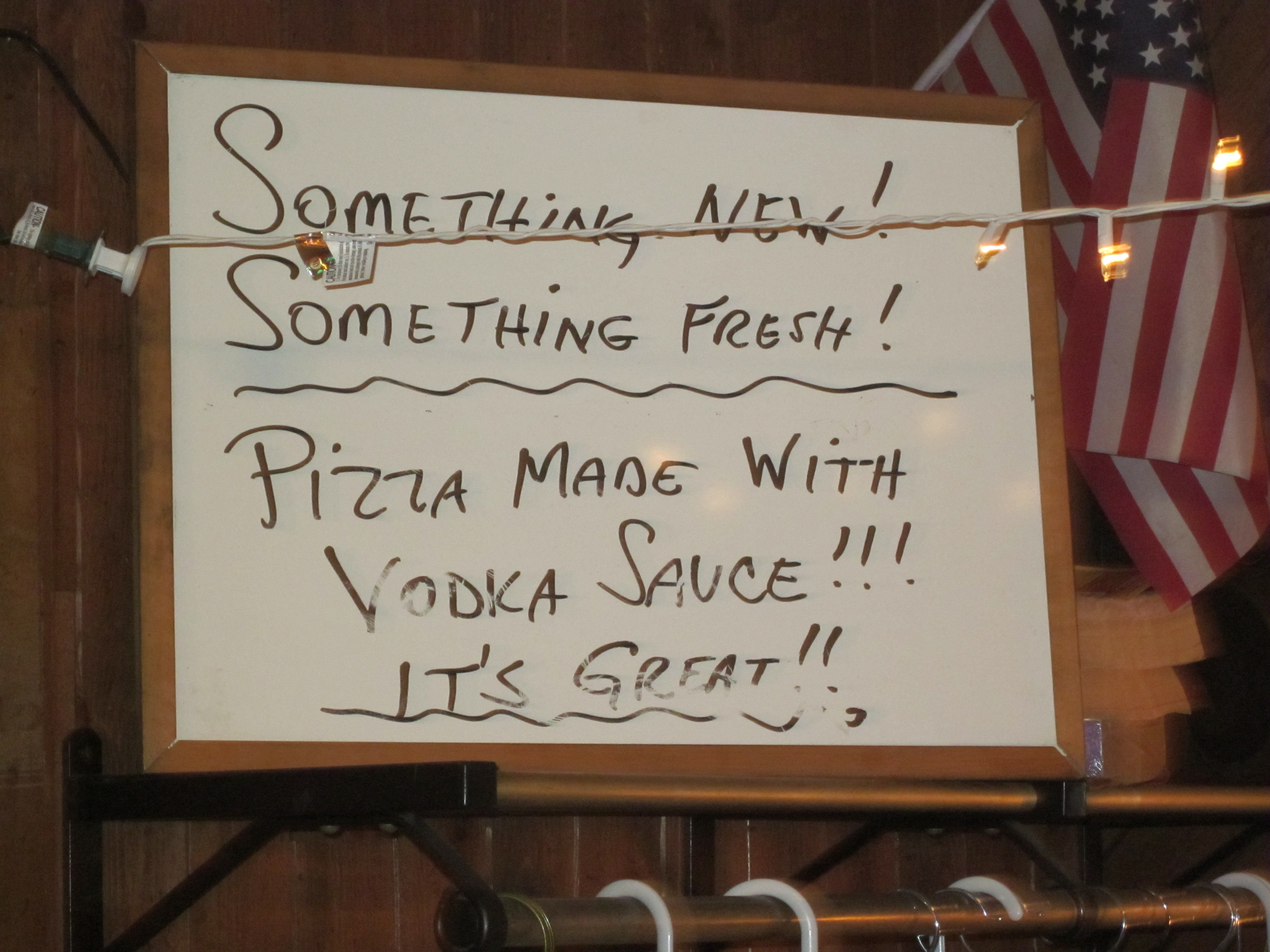
Adding to the ever-growing assortment of pizzas is pizza with “vodka” sauce—the spin on penne a la vodka. I know pizza with vodka sauce is not a new phenomenon. I guess I just put it out of my mind,  desperately trying to deny its existence despite it’s increasing popularity.

I’ve made penne a la vodka myself. It’s not something I’m particularly proud of. I use cheap, local canned tomatoes. Who cares about the quality of the tomatoes if I’m adding cream to it—and vodka? And when I go into my vodka stash just to have it fuse with the sorry canned tomatoes and cream I cringe. It’s one thing to waste a few splashes of red wine in a sauce, it’s quite another to use some of the precious Russian clear stuff.

Well, not always Russian. Sometimes it might be Swedish, Danish, or even from some place in Texas.

Penne a la vodka is an amiable and infrequent diversion. It’s like the undercard of a heavyweight bout; the opening act for standouts like Neck Bones Tomato Sauce  or  Neck Bones Anchovy Sauce, pesto, or the perennial champ: marinara sauce.

So why would I ever be interested in the undercard of a topping for pizza? I wouldn’t. Or I thought I wouldn’t until recently. The lure was drawing me in. Was I missing something here? And how could I comment on something I’d never experienced?

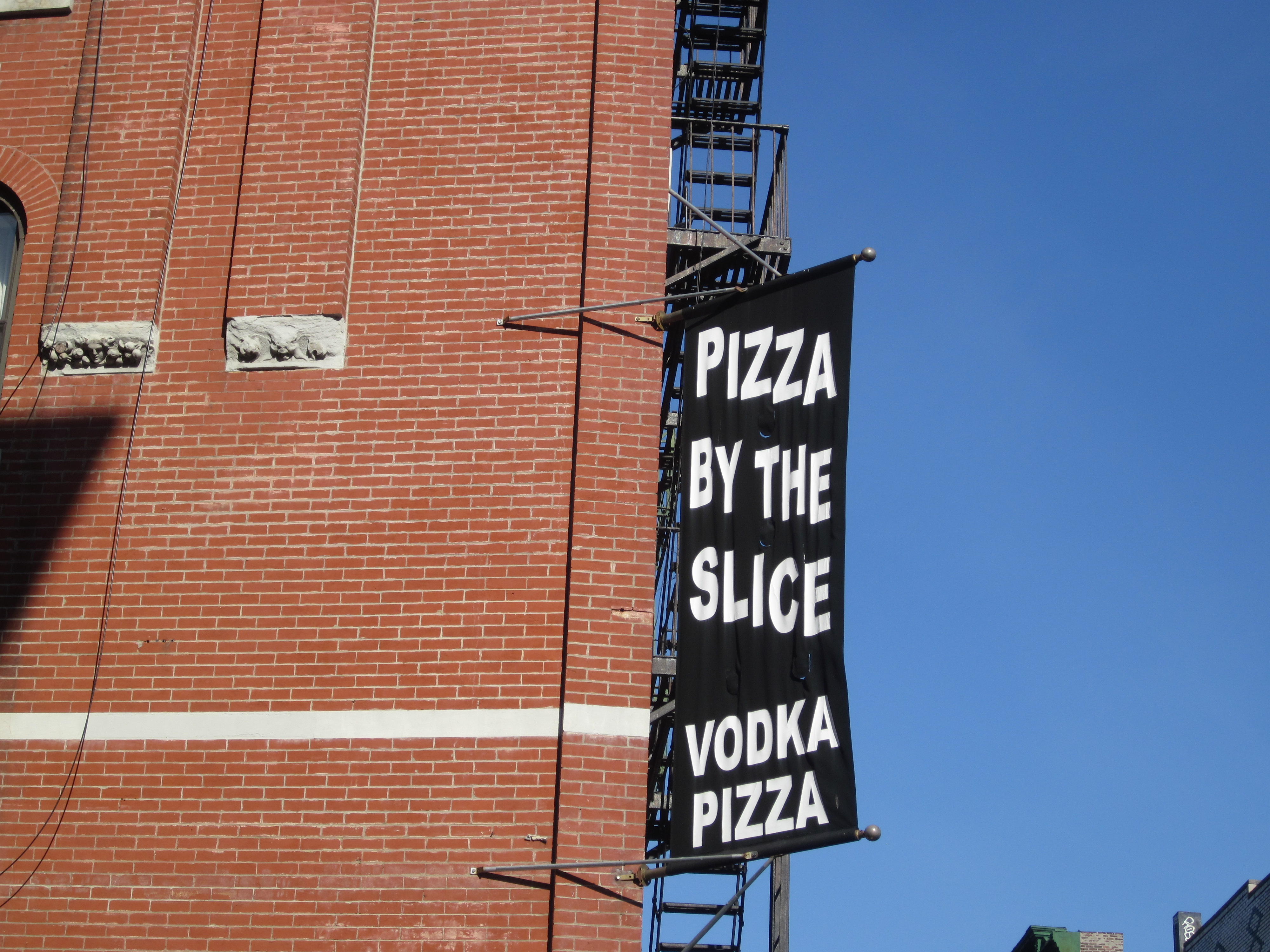
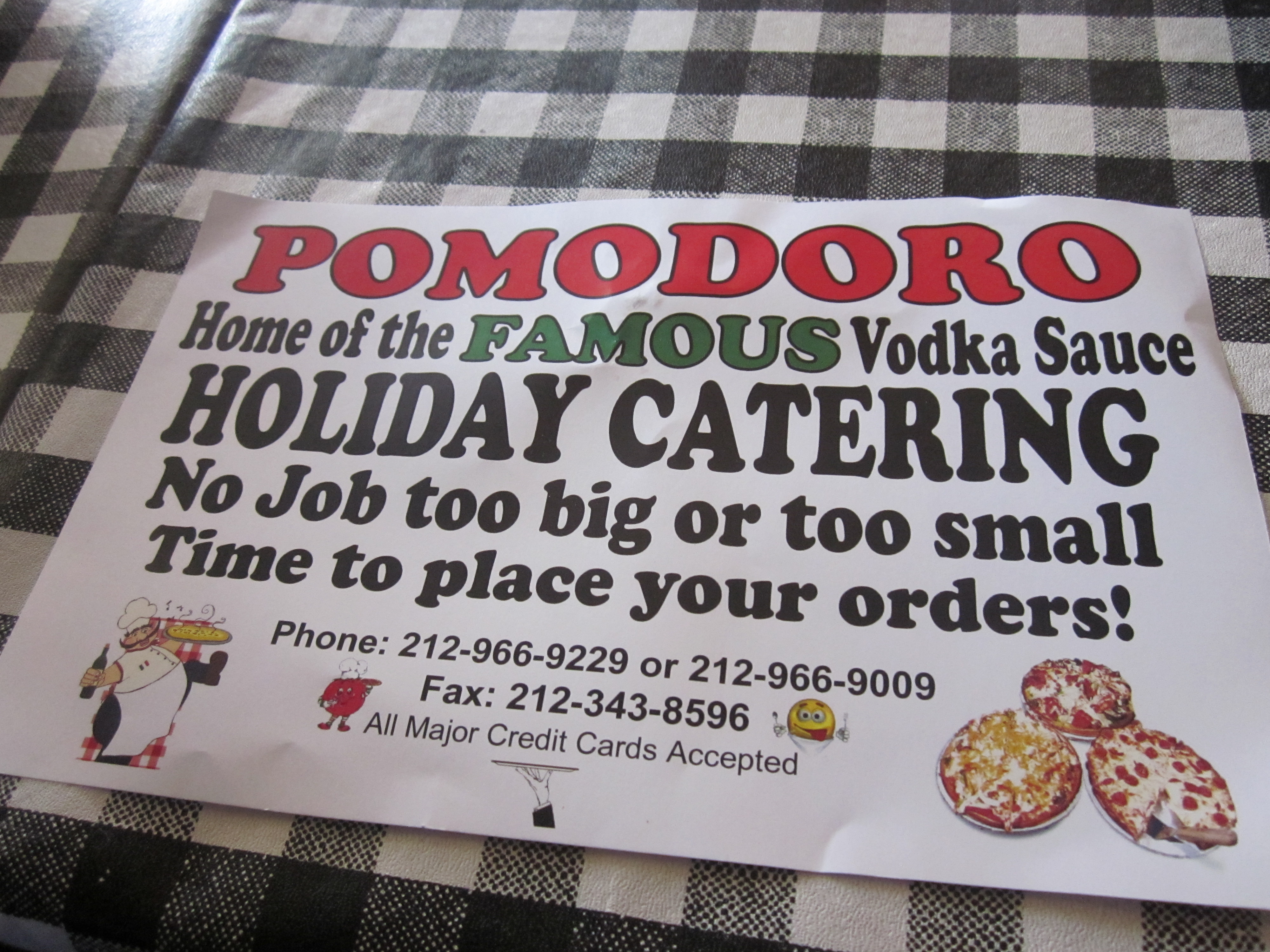
The sign said it all: “Home of the famous vodka sauce.” There was even a banner flapping in the wind above Spring Street advertising “vodka pizza.” The place was called Pomodoro and apparently vodka sauce was their trademark. If I were ever going to experience a slice of pizza with vodka sauce, I would guess this would be the place.

I surveyed the countless array of already made pies under the Plexiglas counter for the vodka pie, but my eyes, inexperienced at least regarding vodka pizza, could not identify one.

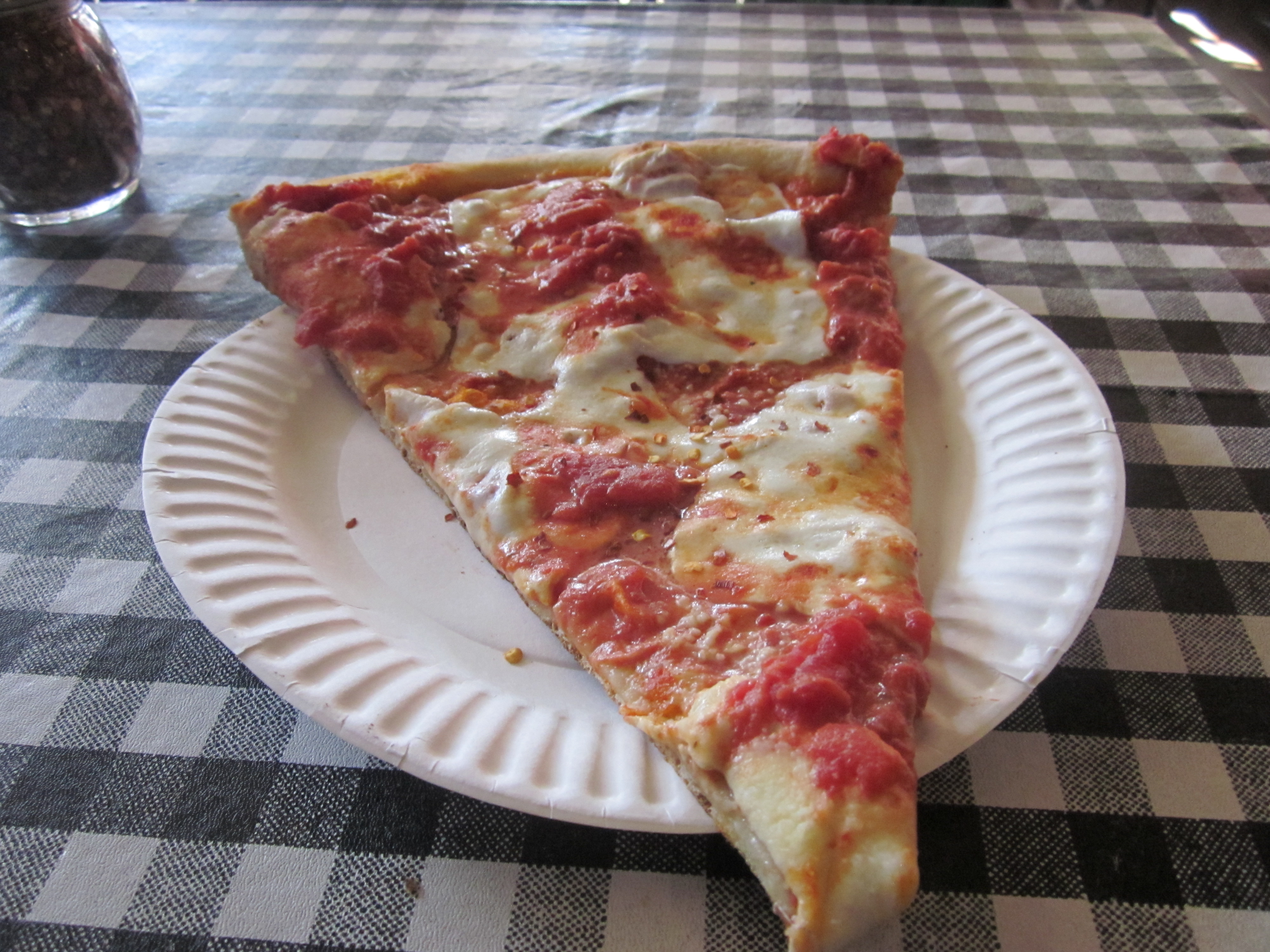
I asked the man behind the counter for a slice of vodka. He took out a pie that looked like any other “regular” pie and cut out a slice which he threw into the oven to heat. A few moments later it was presented to me.

Vodka slice from Pomodoro

My normal reflex whenever eating a slice of pizza is to grab for the red pepper flakes and sprinkle generously over the slice. I did the same here not knowing that the vodka pizza was already spicy.

The slice was coated with chunks of very good, albeit spicy, tomatoes and fresh mozzarella while the only negative was that the crust was a little on the thick side for my taste. It was a more than commendable slice. Still, I was puzzled. I admit to being a vodka pizza virgin, but was this what a slice of vodka pizza tasted like? It didn’t taste anything like my penne a la vodka. Where was the vodka in the vodka slice?

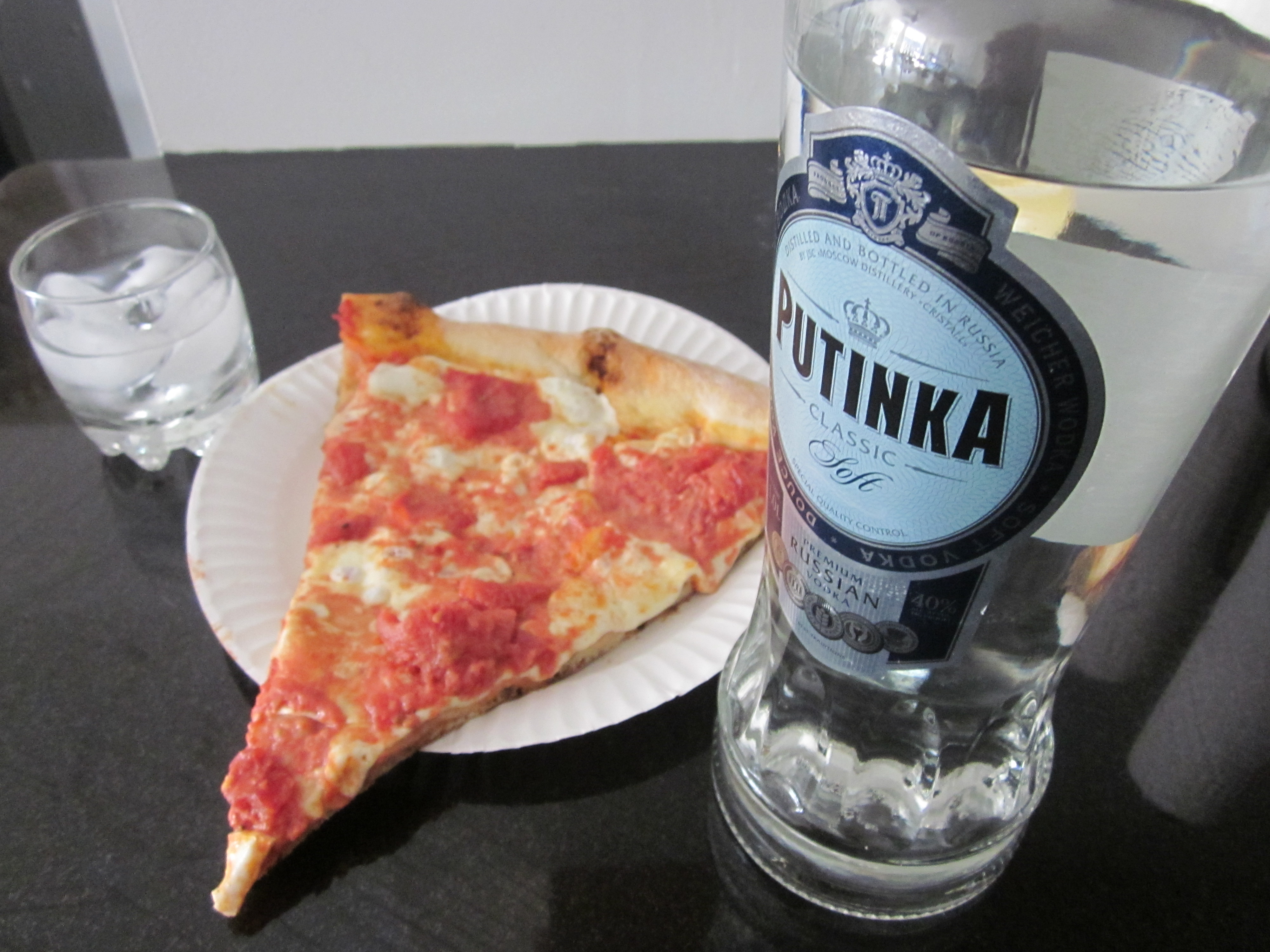
So they called it something other than what it really was. It didn’t matter. I liked the pizza and brought a few slices home to give it another shot. This time I thought maybe, instead of beer, my usual accompaniment to pizza, I would accompany the vodka slice with vodka.

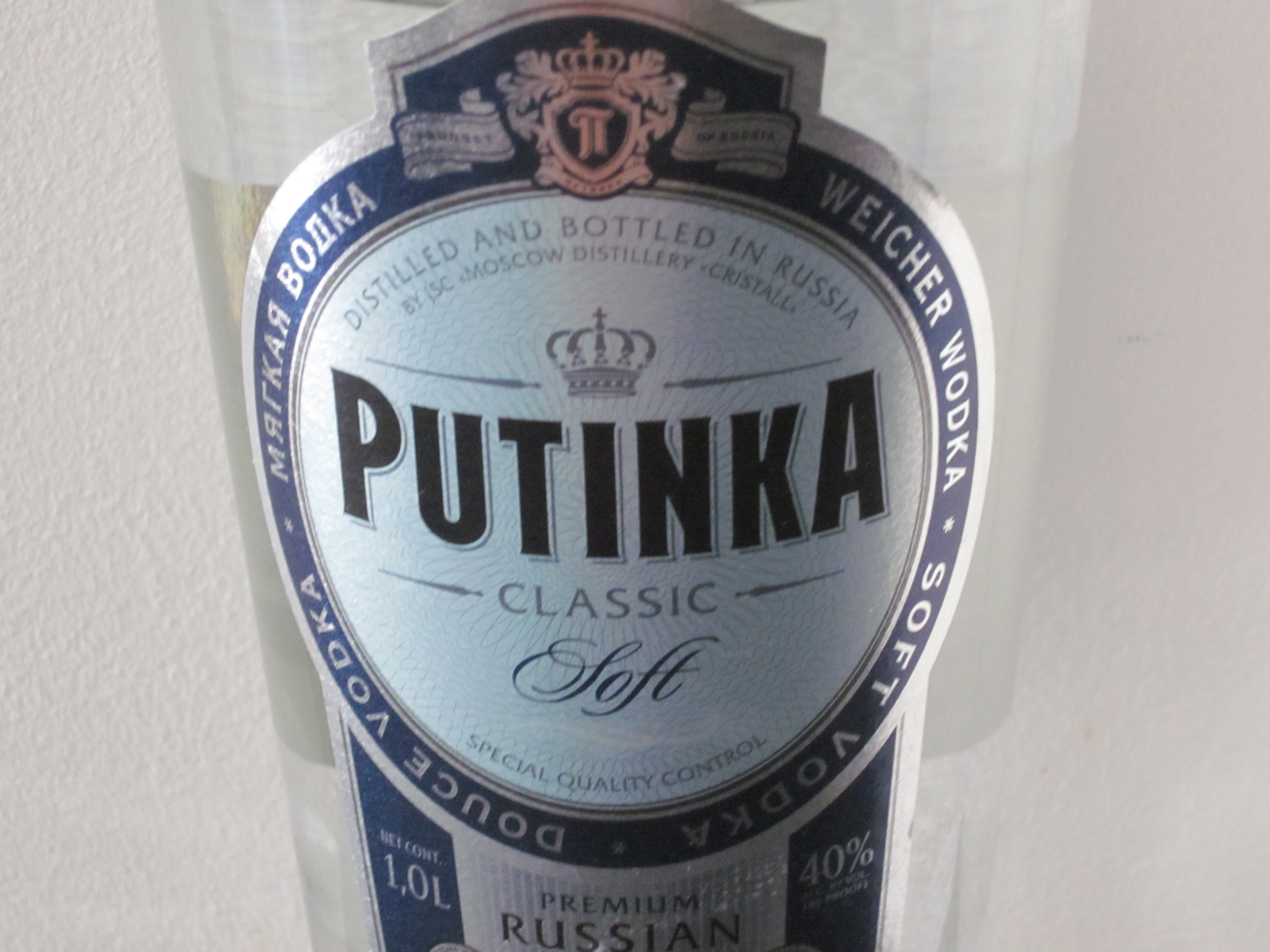
For the occasion I had a Russian named Putinka in my refrigerator. An apparent tribute to Russian president, Vladimir Putin, the Putinka also billed itself as “soft,” vodka, whatever that meant. Was soft vodka the equivalent to light beer? I hoped not. And really, would the former Lieutenant Colonel of the KGB want a vodka named after him that was billed as “soft?”

Soft vodka

Either way, I reheated the vodka slice and poured a shot of Putinka over ice. I sipped and then took a bite. The vodka, soft or not, gave me the familiar and comforting burn that, I discovered, paired brilliantly with the so-called vodka pizza.

I finished the vodka and the pizza a bit too quickly and then realized something that should have been obvious to me—something that conformed to my purist sensibilities. There was no need to search out a pre-made vodka sauce pizza where, most likely, the vodka sauce wouldn’t be up to your own standards. Just like adding your own flavor to your pure vodka, you could do the same with this pizza. All you needed was a warm slice of pizza and a cold Russian in the refrigerator.

Pomodoro
51 Spring Street
NYC

Cuban Chuletas in a Casa in Chelsea

20 Nov

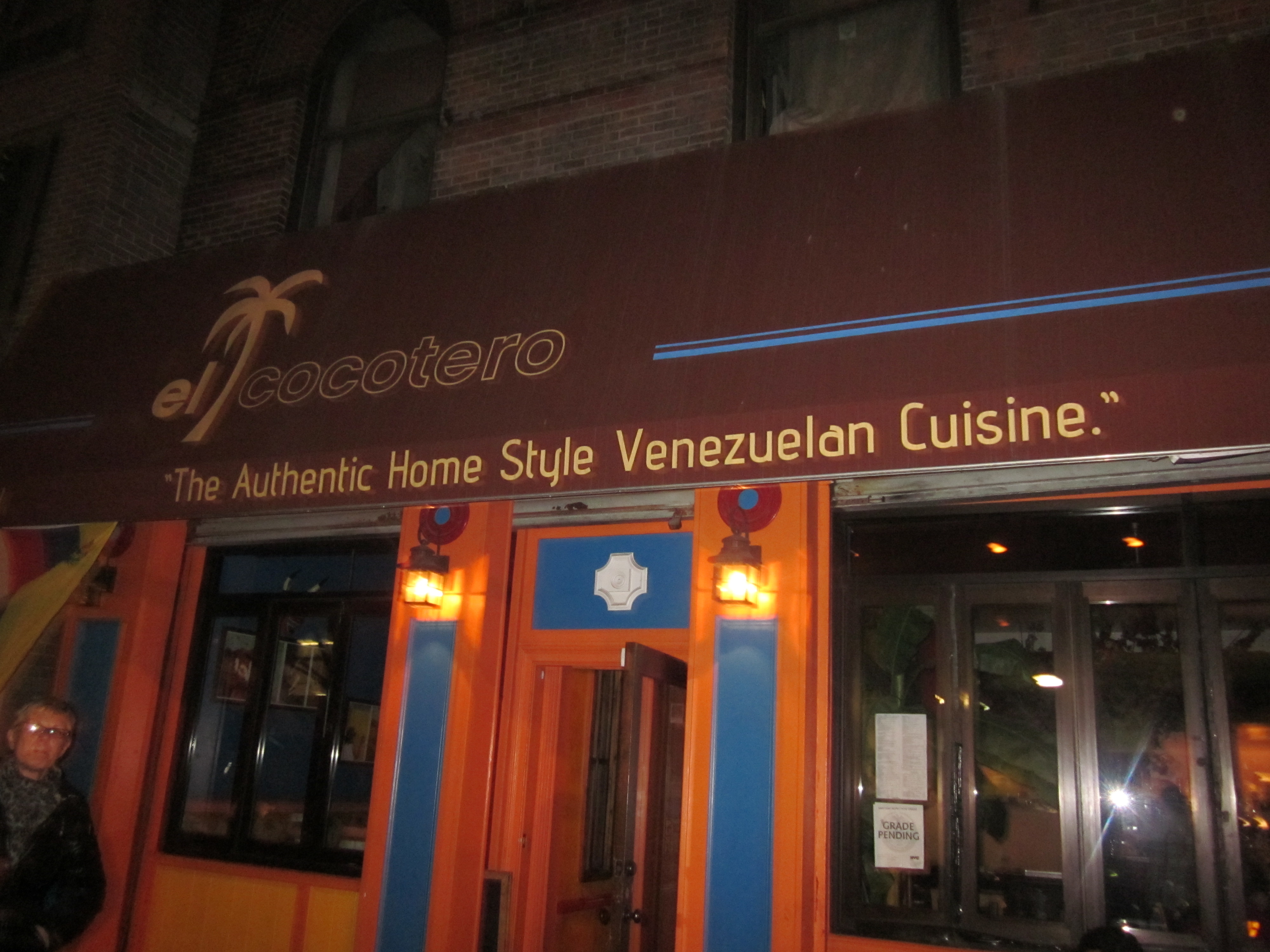
Rick’s choice of a Venezuelan place in Chelsea quickly raised some eyebrows amongst our group when we were notified. A few months earlier, we traipsed to Inwood for Venezuelan cachapas on Dyckman Street Stalking Corn on Dyckman Street.  It wasn’t only the relatively quick repeat of a cuisine that was odd, it was also the location. Chelsea, in its present incarnation, is not a neighborhood where we would think to find our kind of restaurant; meaning one suited more for our penny pinching tastes.

Still, we gave Rick the benefit of the doubt and to El Cocotero we all planned to meet. But a couple of hours before our meeting time, Rick sent an email that read as follows:  “Guys. Just got a call from the wife and we have to go to the hospital! It may be a false alarm, but please go enjoy Venezuelan food without me.”

The false alarm was a reference to the impending birth of his first child; the due date set for early December. We all wished the best for Rick, but his pronouncement was just too sudden and late in the day to stop us from heading to Chelsea.

Before anyone else had arrived at El Cocotero, Zio had scouted it out. “It’s so dark in there, you won’t be able to find your mouth with your fork,” he wrote in a text.
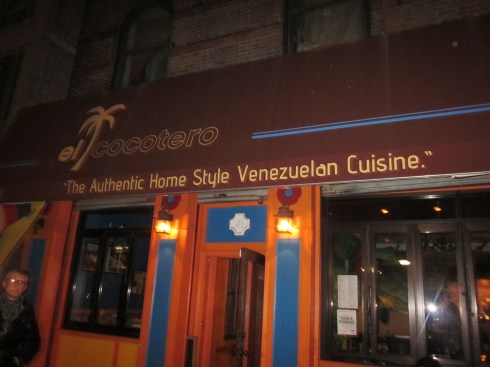
You couldn’t tell that power had been restored weeks ago in Chelsea judging by the lack of light in El Cocotero.

When I entered, I immediately thought Zio was exaggerating. It was dim, for sure, but the flickering candlelight wouldn’t stop me from stuffing my face. Reading the menu, however, was a more challenging issue. Without my reading glasses, the menu print seemed as insurmountable as trying to read a Russian novel without a magnifying glass.    Thankfully, Eugene’s eyes were stronger than mine and he informed all of us that the cachapas were ten dollars—almost $4 more than what we paid at Cachapas y Mas on Dyckman Street.

To make matters worse, the table we were given was so cramped that there was the very frightening prospect of rubbing thighs with Mike from Yonkers while trying to get the food from fork to mouth.

“This is a date place,” Eugene blurted out.

Indeed it was, and Mike from Yonkers was not my date. Since Rick was not going to be joining us, there was no reason to endure eating at a romantic restaurant with the likes of Eugene, Gerry, Mike from Yonkers and Zio—and I’m sure the feeling was mutual.

Our group slunk out of El Cocotero, lamely apologizing to the manager as we exited.

The prospects of finding something Chow City like in Chelsea, we knew, were not good, but we had to try. I knew of a nearby Szechuan place that I liked, though it was probably as expensive as the Venezuelan we just left.

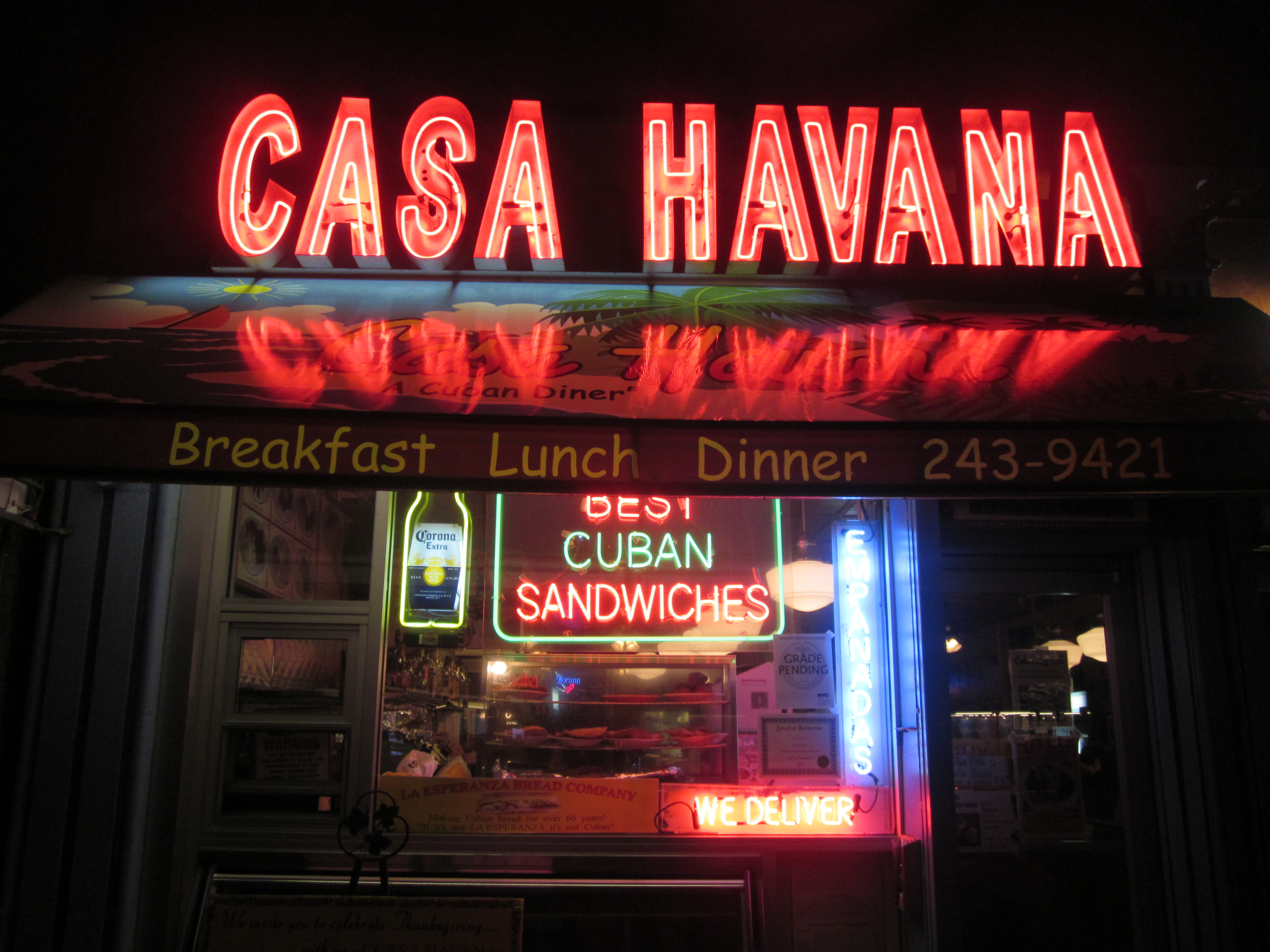
And then I remembered passing a Cuban diner on 8th Avenue on my way to El Cocotero that looked like something closer to our criteria. I mentioned it and our ensemble headed in that direction.

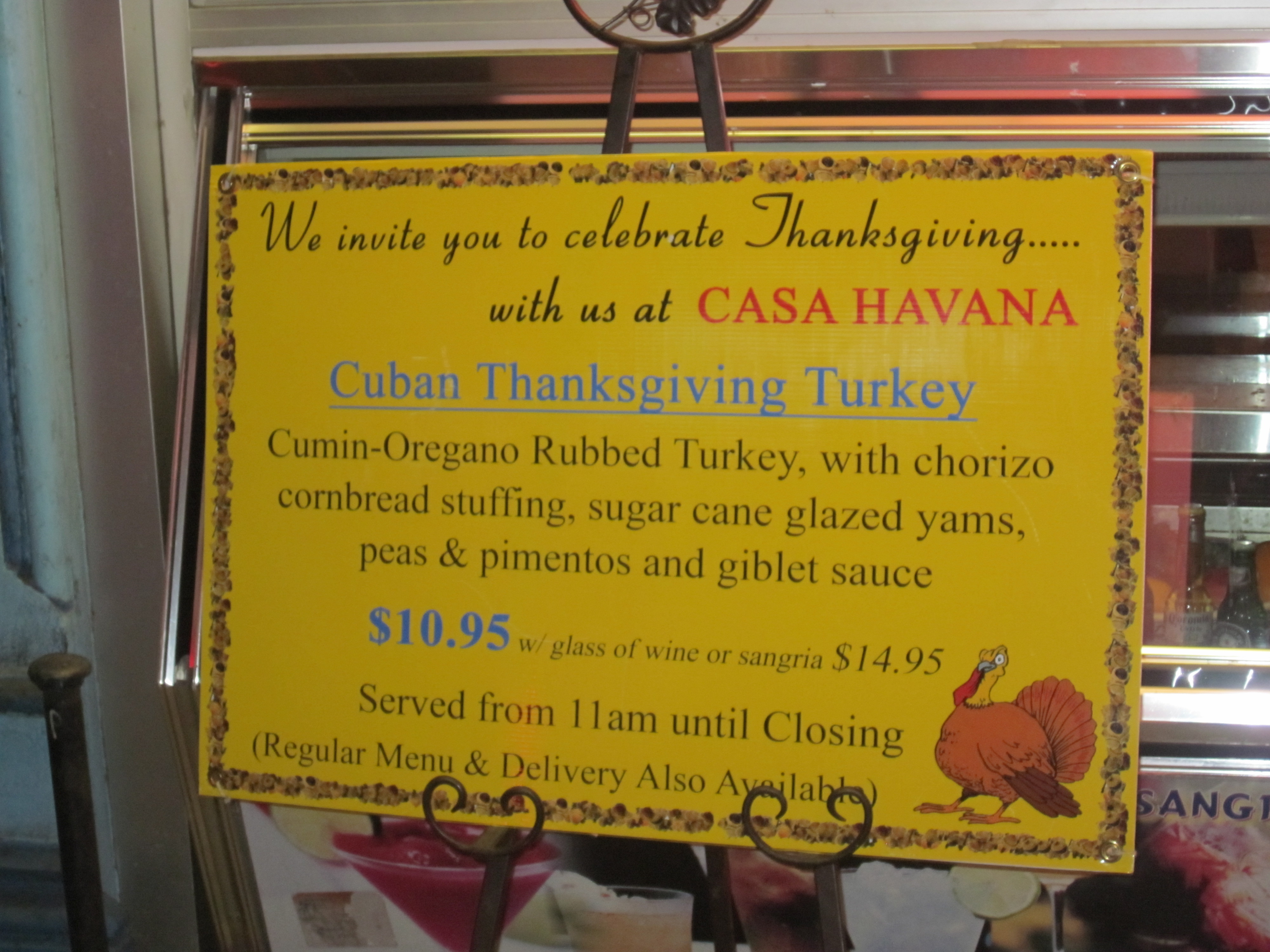
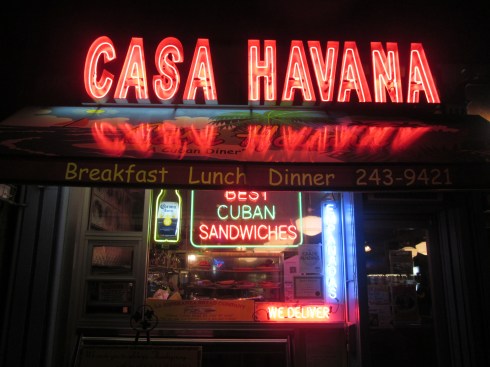
In front of Casa Havana was a placard advertising Thanksgiving dinner for $10.95 and another displaying a glistening suckling pig for $12.95. Eugene didn’t have to see anymore to be convinced. He was halfway to a table when Gerry, still out on the street, whined that he had eaten Cuban food the previous day.

We looked at him. You could never tell whether Gerry was joking or serious.

“Really, I did—in Montclair,” he said.

We all hesitated. Eugene came back out of the restaurant. “What now?” he barked.

This was becoming a fiasco and Gerry knew it.

“All right, let’s just go here,” he gamely conceded.

While our Mexican waitress brought the Cuban menus to our ample table, Dominican meringue played over the restaurant’s loudspeakers. Glancing at it, I noticed that the prices were lower than what we would have experienced at the Venezuelan place around the corner, but more than we would have paid for similar food uptown.

There was nothing out of the ordinary on the menu; rice and beans, fried pork, fried fish, roast pork, shrimp in garlic sauce, beef stew, etc.

“Do you have the turkey?” Eugene asked our waitress, referring to what was advertised outside the restaurant.

She shook her head. “No, we just have that for that other day,” she said, meaning Thanksgiving.

Instead, he settled on shrimp criolla while Zio, keeping to his fishy pattern whenever we gather,  ordered the “lubina frita,” fried bass.

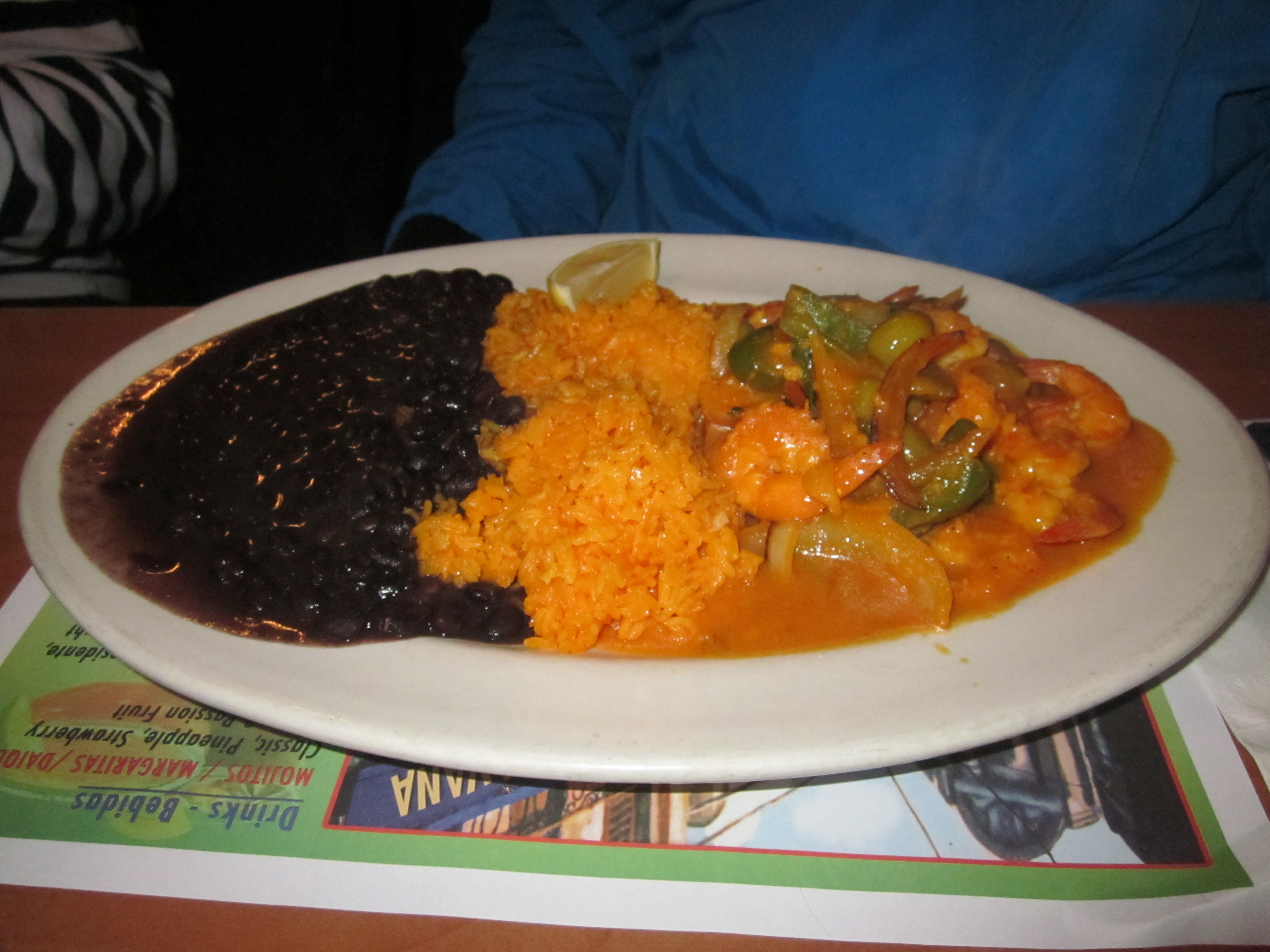
After his Cuban meal in Montclair, Gerry eschewed the entrees and instead chose a Cuban sandwich with a small bowl of black bean soup. Mike from Yonkers was rebuffed by his first choice of fried snapper and had to go to plan B: the baked chicken. I decided on the “chuletas,” (pork chops) in red sauce with yellow rice and black beans.

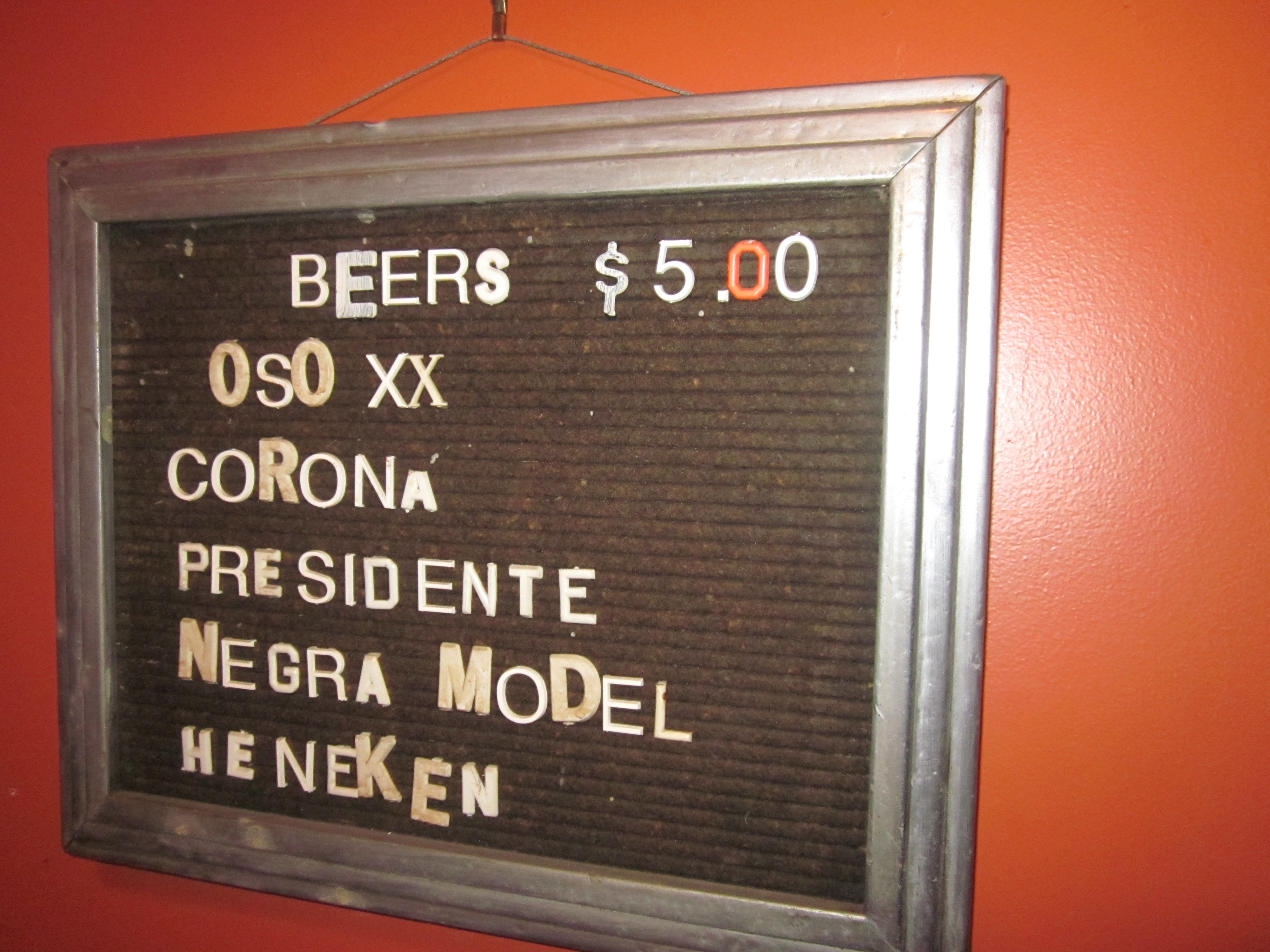
While we waited for the platters to decorate our table, all of us except Zio, who sipped a mango “batido,” had $5 Mexican beers.
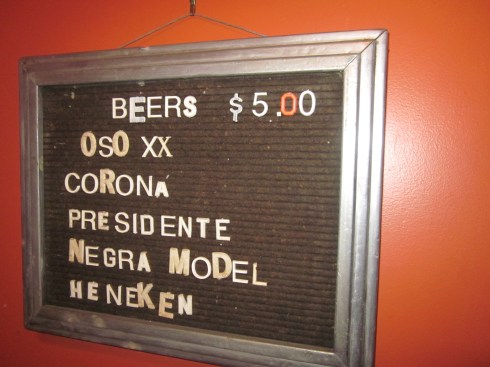
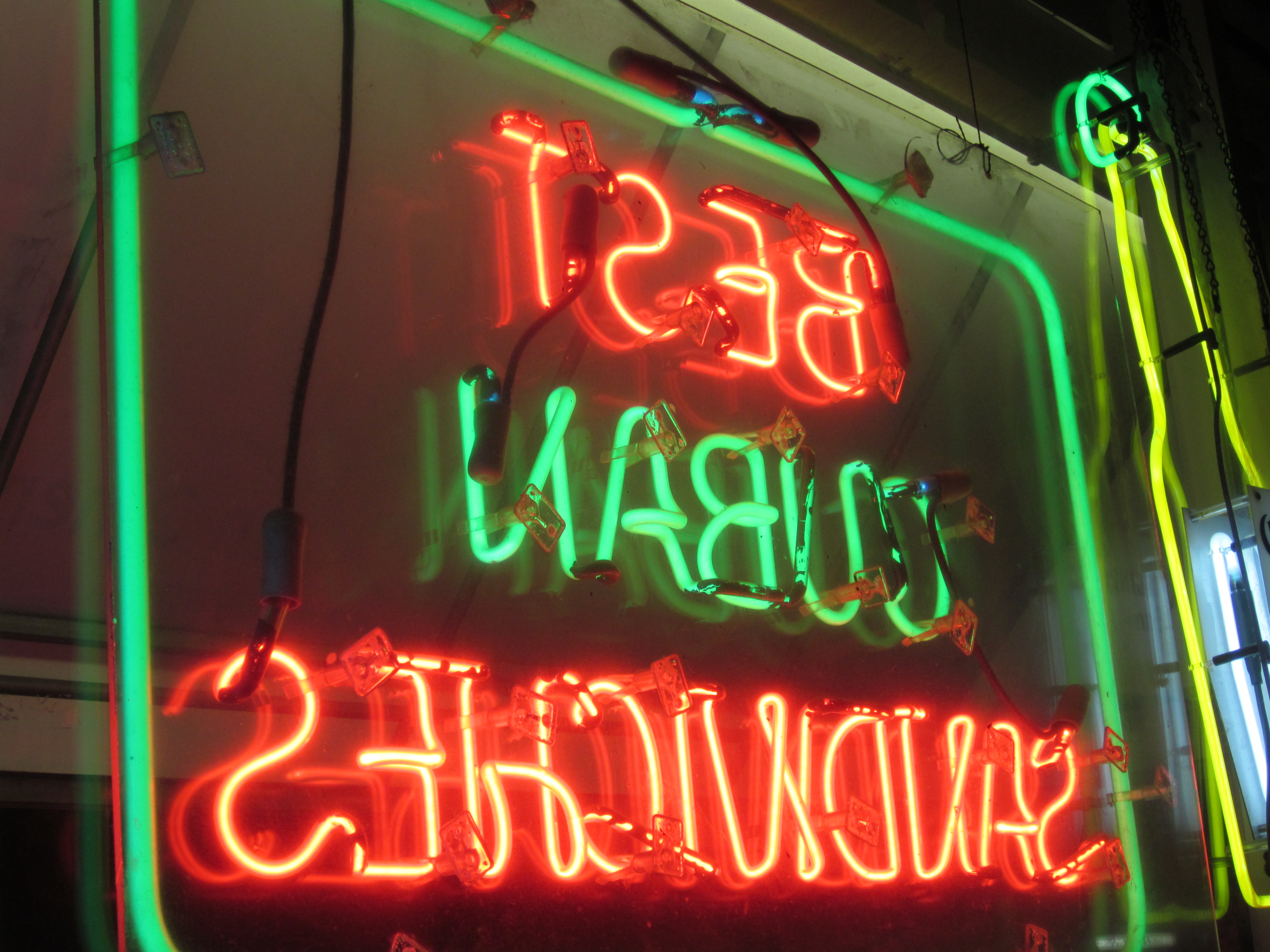
Embargo beer options at a Cuban Restaurant.

The food came and we plowed through it without many exclamations. No one complained. No one praised. The chuletas were skimpily thin and swimming in a non-descript tomato sauce that benefited greatly by a large dousing of the house hot sauce.
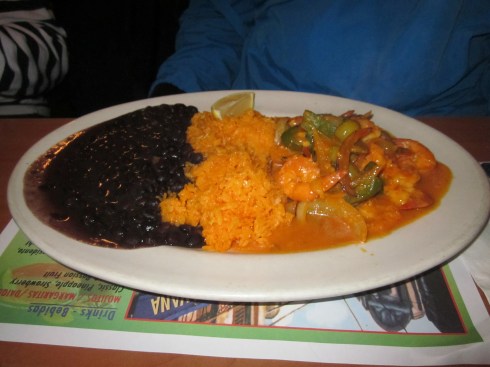
Shrimp Criolla, yellow rice and black beans

Because the food did not inspire discussion, we had no choice but to listen to Eugene describe the annual Christmas party he attends—the one with the Viennese dessert buffet—as well as the many meals he eats at the all-inclusive resort he frequents in the Dominican Republic.
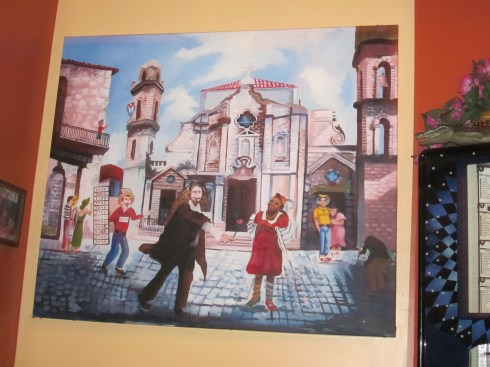
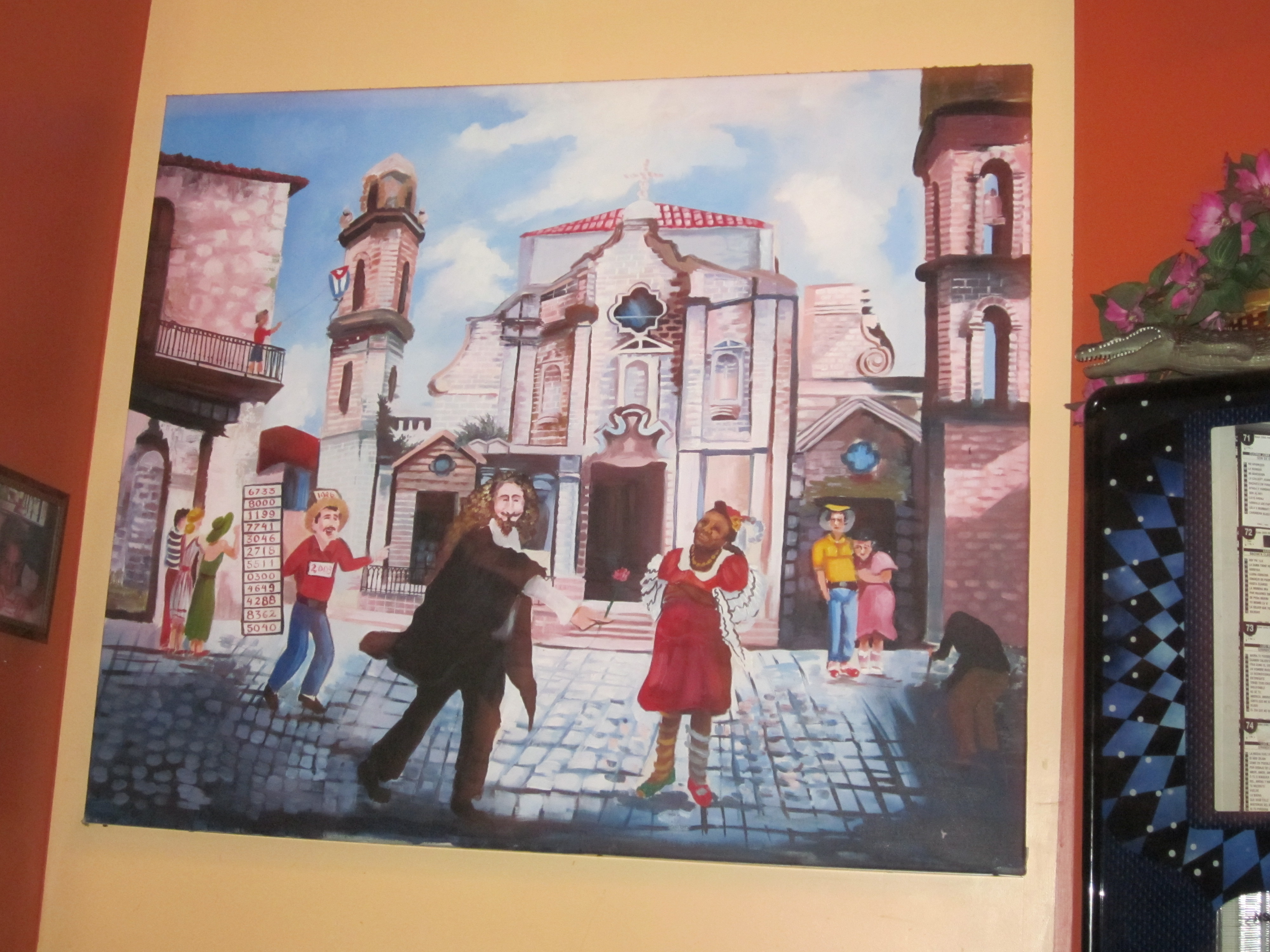
Who knew Shakespeare vacationed in old Havana?

Gluttons for punishment, to name just one of the things we are gluttons for, we could have just called it a night in Chelsea. Instead, hoping we would find something to praise, we all had dessert. Sadly, even the desserts; coconut pudding, coconut cake, tres leches cake, and chocolate cake, did not surpass uptown standards.

And, as he suspected it would be, Rick informed all of us that indeed the trip to the hospital was a false alarm. If only we could have said the same thing about our trip to Chelsea.
Injera Ingestion

14 Nov

“In all our time as a group, how have we missed eating at an Ethiopian place?” I asked Gerry, who was with me at an Ethiopian place in Harlem called Abyssinia.

“Too expensive usually,” Gerry responded, referring to our group’s tight $20 per person budget.

I looked at Abyssinia’s menu. Nothing was over $16. “Not here,” I said.

“No, definitely not here,” Gerry concurred.

It was a day after a nor’easter left a few inches of wet snow on the already soggy city streets and a little over a week after the big storm. Our group was scheduled to meet the previous day, but we were currently on hurricane hiatus. Though the group could not gather, Gerry decided to leave his still heatless Westchester home where he claimed there were no lines for gas, to drive into the city for what he hoped would be much needed spicy food.
His hopes were quickly realized. Not only was the small restaurant deliciously fragrant, it had heat—lots of it. And adding to the warmth from the clanking radiators was the heat from the meat “sambusas” brought to us by our pleasantly quiet waiter.

Similar to the Indian “samosa,” the sambusa was fiery and though berbere sauce, Ethiopian hot sauce,  accompanied it, the added spice was not needed.

Sambusas with Ethiopian hot sauce.

To get a good sampling of the meats, we ordered the “meat combo,” featuring three meat options along with a separate order of yebeg awaze tibs, cubes of lamb sautéed with onions and jalapeno in an awaze (berbere) sauce.

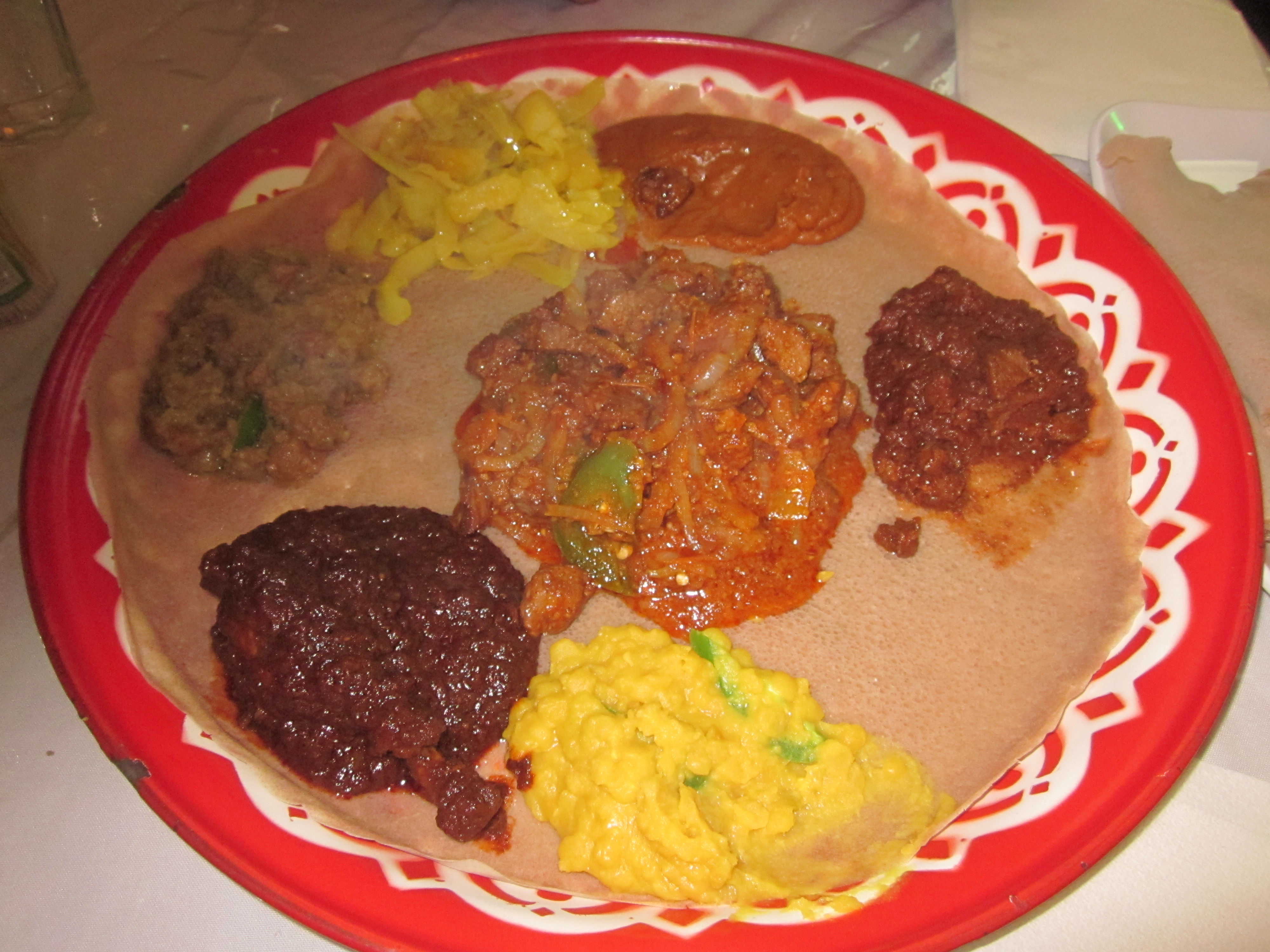
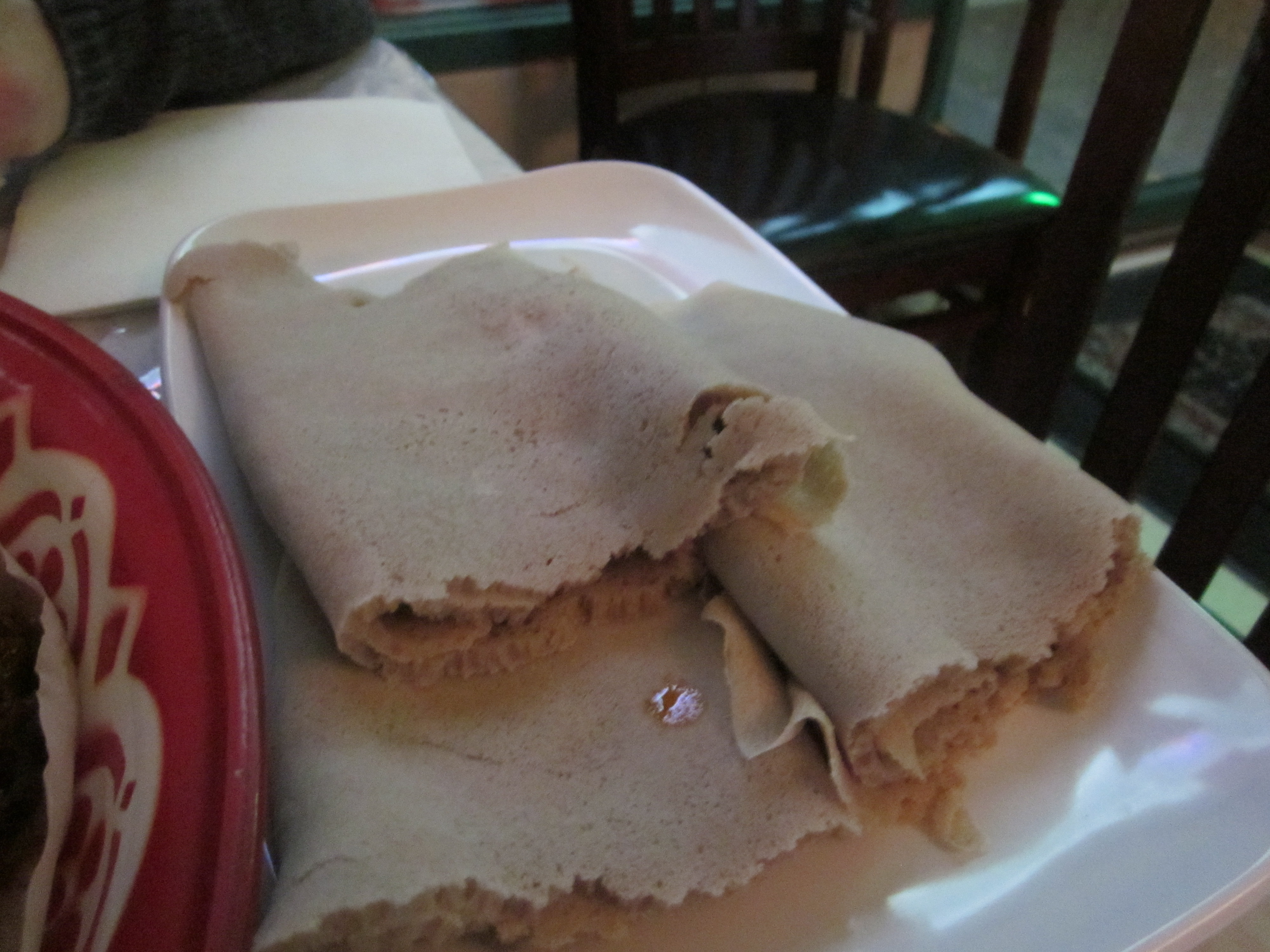
The meats came assembled on a colorful platter with each individual meat dish in a small mound along with a few vegetable sides and layered on top of the spongy Ethiopian bread known as injera.

The Abyssinia meat combo platter.

Along with the platter, we were given an additional plate of injera. There were no forks, spoons or knives on the table. With bread like this, who needed utensils? We scooped up the meat and veggies with the accompanying injera and shoved it into our mouths, doing our best not to let anything fall our already food-stained clothes.

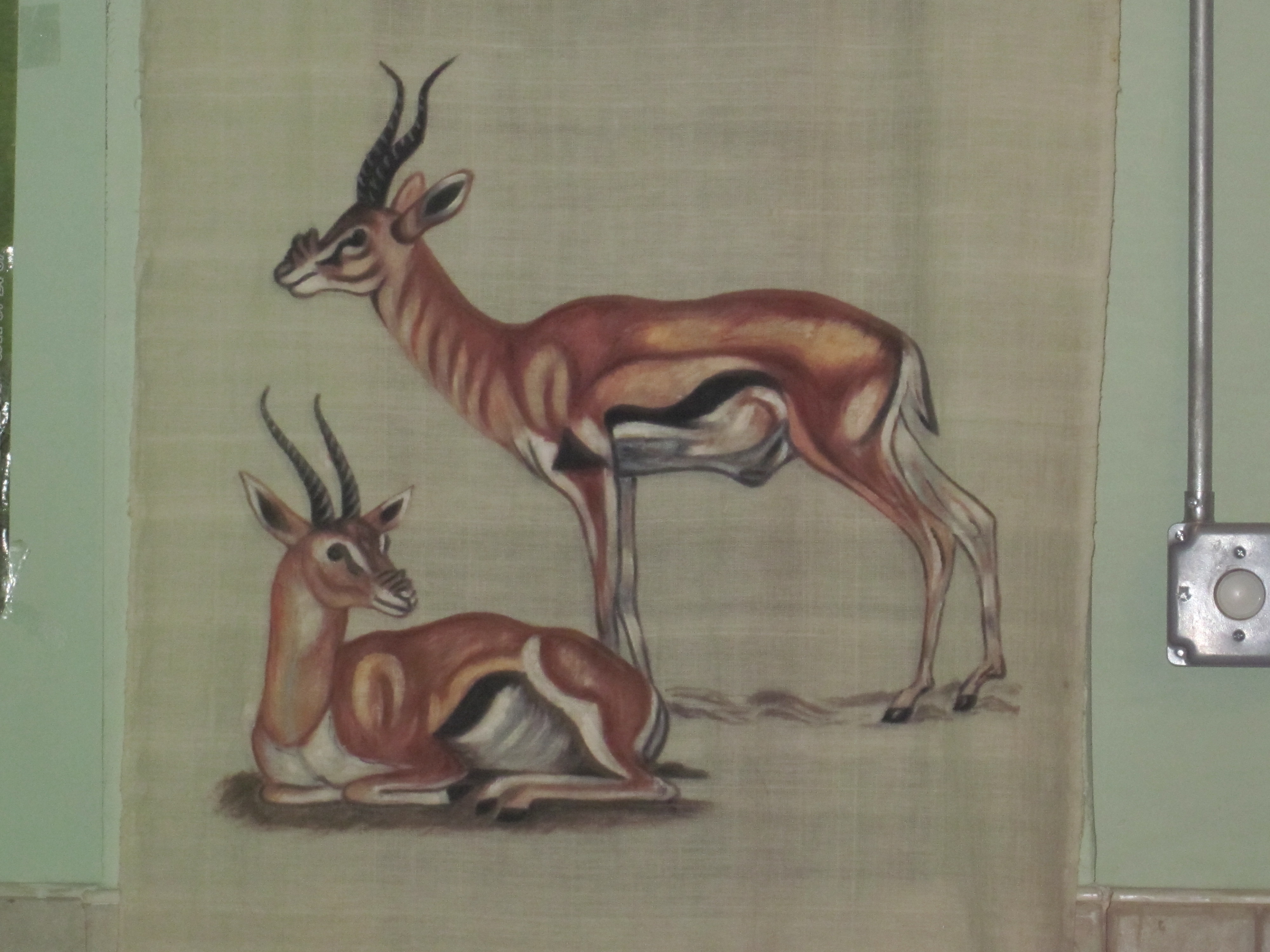
These meats were not on the day’s menu at Abyssinia.

The doro wat, a chicken leg in a rich berbere sauce was tender, falling off the bone, the sauce identical to what coated the beef in the ye siga wat. The lamb, though not as tender as the beef or chicken, was aromatically addictive. Soon our “utensils” were gone and our waiter returned with another fresh plate of the injera for us.

We went through that plate as well and still much of the meat remained. We were not ones to waste anything, but we just could not continue. It was as if the injera had expanded in our gullets.

We ate all the “utensils.”

The waiter came to our table. He smiled slyly and examined what was left and then shook his head. “This is the best part,” he said, indicating the injera that the meats were layered and now saturated with their juices.

What was left did look delicious, but regrettably, any attempt to taste it might have resulted in a not very pleasant finale to what had been a much needed most comforting, post-hurricane meal.

As he took away the platter, I stared at it longingly. We both knew we erred, but if you do not learn from your mistakes, you are destined to repeat them…or something like that.  It would not happen again.

Abyssinia Restaurant
268 W. 135th
Harlem

Today’s Special

7 Nov


So good, it’s worth having twice.


Some Good News About Sandy

31 Oct

It’s been downgraded to a lechonera.

Time to remove the plywood and roast some pork.

I hope all my friends and followers are safe and moving forward post-hurricane.

Cantonese Favors on Allen Street

23 Oct

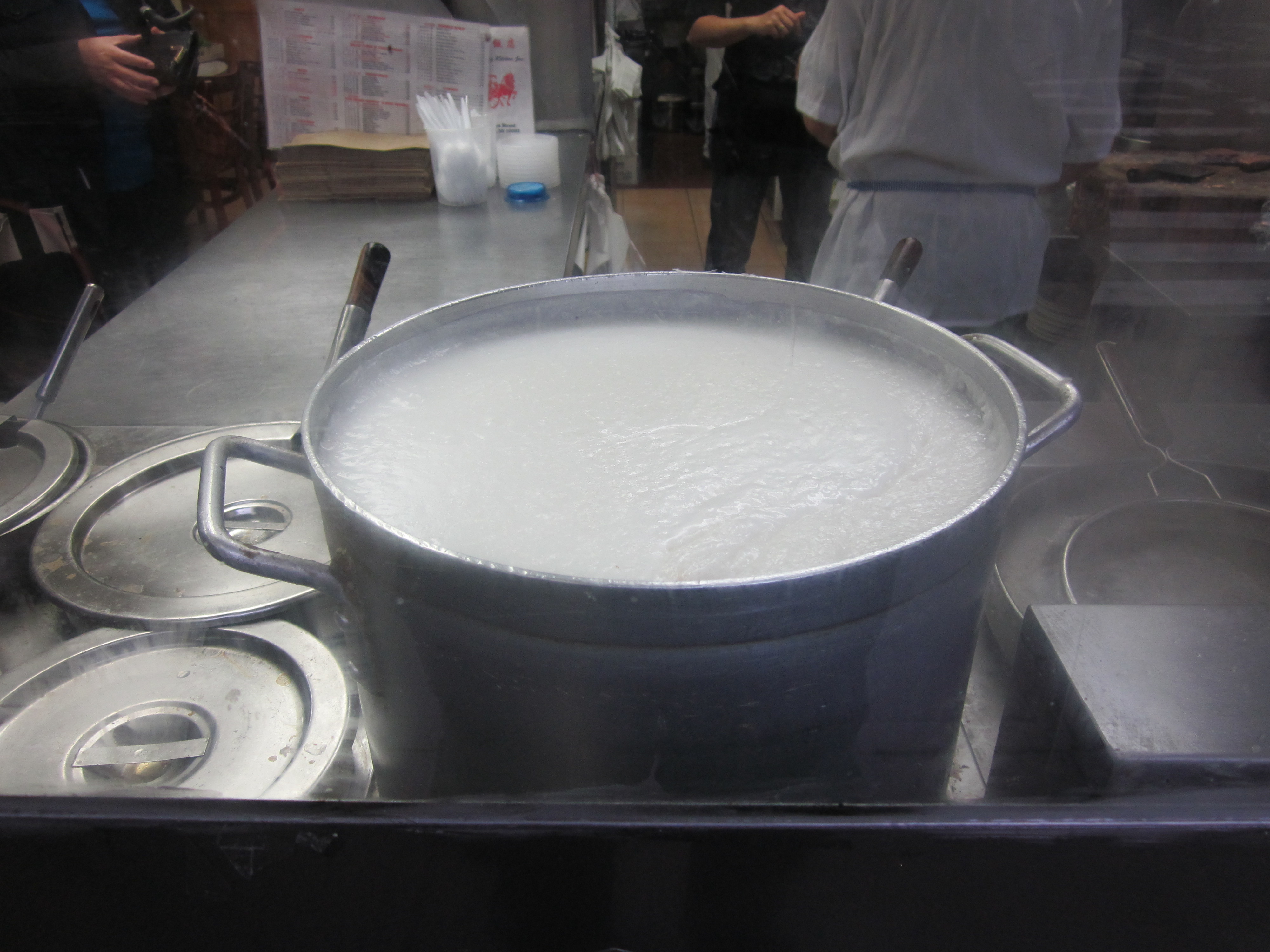
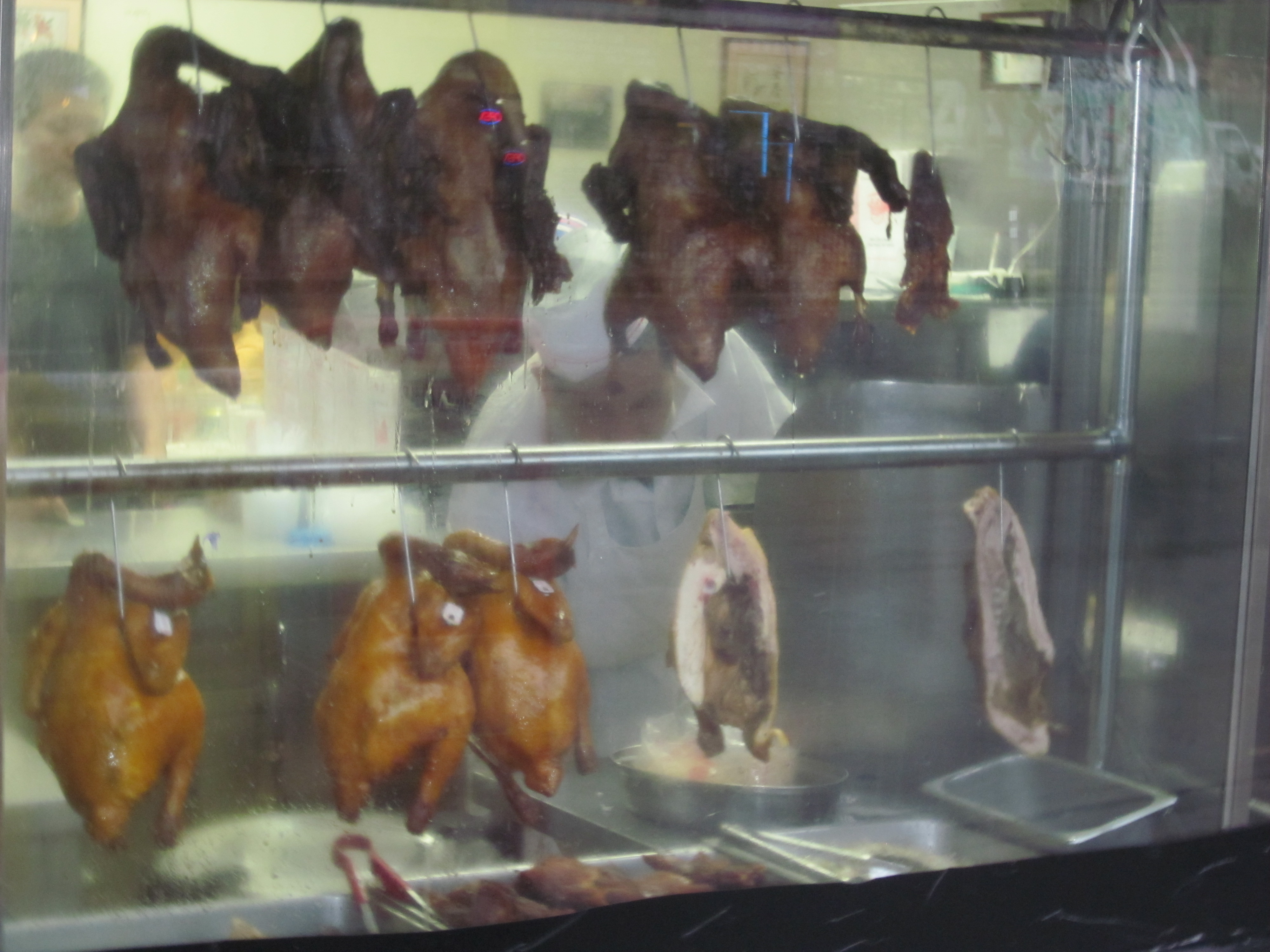
The man in the red nylon sweat suit smoking a cigarette saw me peering into Cheung Wong Kitchen as I waited for Zio to waddle over from a half block away. I could see a bubbling cauldron of congee through one window while in the other hung roast ducks and chickens.

Congee on the fire.

“This place is the best,” the man said to me as Zio joined me. “For five bucks, you’ll eat like a king.”

There were only a few tables inside the small, somewhat dingy restaurant and most were occupied. One big round table was empty except for a carton of green beans that were about to be trimmed for cooking. It was starting to rain. There were other places we could go that had more space and maybe better, more comfortable accommodations.

I looked at Zio. He was thinking the same thing I was. We were on Allen Street in Chinatown, a few blocks east of Canal; comfort and space just were not the point.

“Let’s go in,” he said resolutely.

Cheung Wong’s window display.

The lone waitress placed two settings on the round table where she was also trimming the green beans. We glanced at the menu. There were traditional Cantonese items on one side of the menu; chicken with black bean sauce, roast pork lo mein, sweet and sour shrimp, etc—most priced more than five dollars.

The other side of the menu, however, were the “discounted” items—the dishes for royalty, which in this case included Zio and I. There was congee, noodle soups, Hong Kong style lo mein, and a two page spread of “rice plates.”

I zeroed in quickly on the rice plates and was intrigued by something called “double favor” on rice. I’m very used to misspellings on menus and never hold that against a restaurant. I see no correlation between a few spelling mistakes and good food. I assumed here that “favor” was meant to mean “flavor.”  Still, when the waitress came over to take our order I had to ask.

“Double favor is chicken and duck, or pork and beef,” she said, in, frankly, very good English.

I understood her answer to mean that it was a choice of two meats on rice. So I had to make a decision. The soy sauce chicken that I saw hanging in the window looked tempting. I paired it with what is usually an old reliable at a Cantonese place: roast pork.

Zio bypassed the meat and decided on fish stew with curry sauce on the rice.

I suggested to Zio that we should try something else on the menu. The additional item would increase our budget to around $7 as opposed to $5, but I didn’t think Zio would care as long as it involved more food for him.

And as I suspected, he endorsed my suggestion of beef stew with wonton noodle soup. But there was a stipulation.

“Shouldn’t we just spring and get one each. It’s only $5.50.” he whined, thinking I was being even cheaper with my money than I normally am and worrying that maybe it wouldn’t be enough for our collective king-sized appetites.

I told him to look around at some of the bowls others in the restaurant were slurping from.

“Yeah, you’re right,” he said. “One should be enough.”

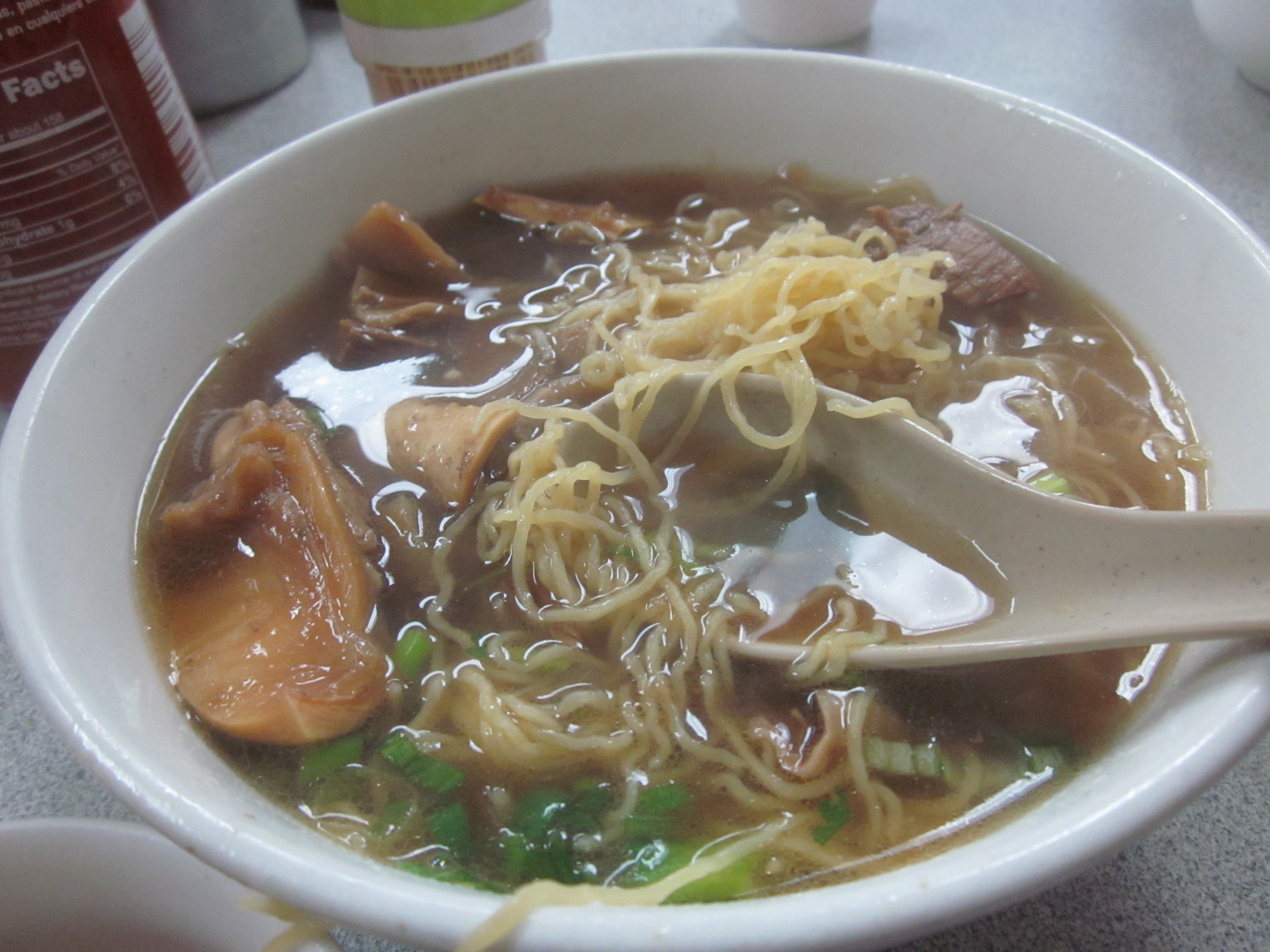
Beef stew noodle soup

And it was more than enough. The big bowl was brimming with fat encased beef in a rich meaty broth, thick with noodles and small tender pieces of winter melon.

While we ate the soup, the waitress took a few more minutes at our table to continue trimming the beans and then left, returning quickly, even before we could finish the soup, with our rice platters.

Double “favor” over rice: soy sauce chicken and roast pork.

The chicken and pork were chopped into slices and arranged neatly over the rice. Both were served at room temperature; the chicken incredibly moist and easily pulled from the bone and cartilage, while the pork tasted almost like jerky, but subtly sweet from the hoisin sauce.  This favor, or should I say flavor, was addictive.

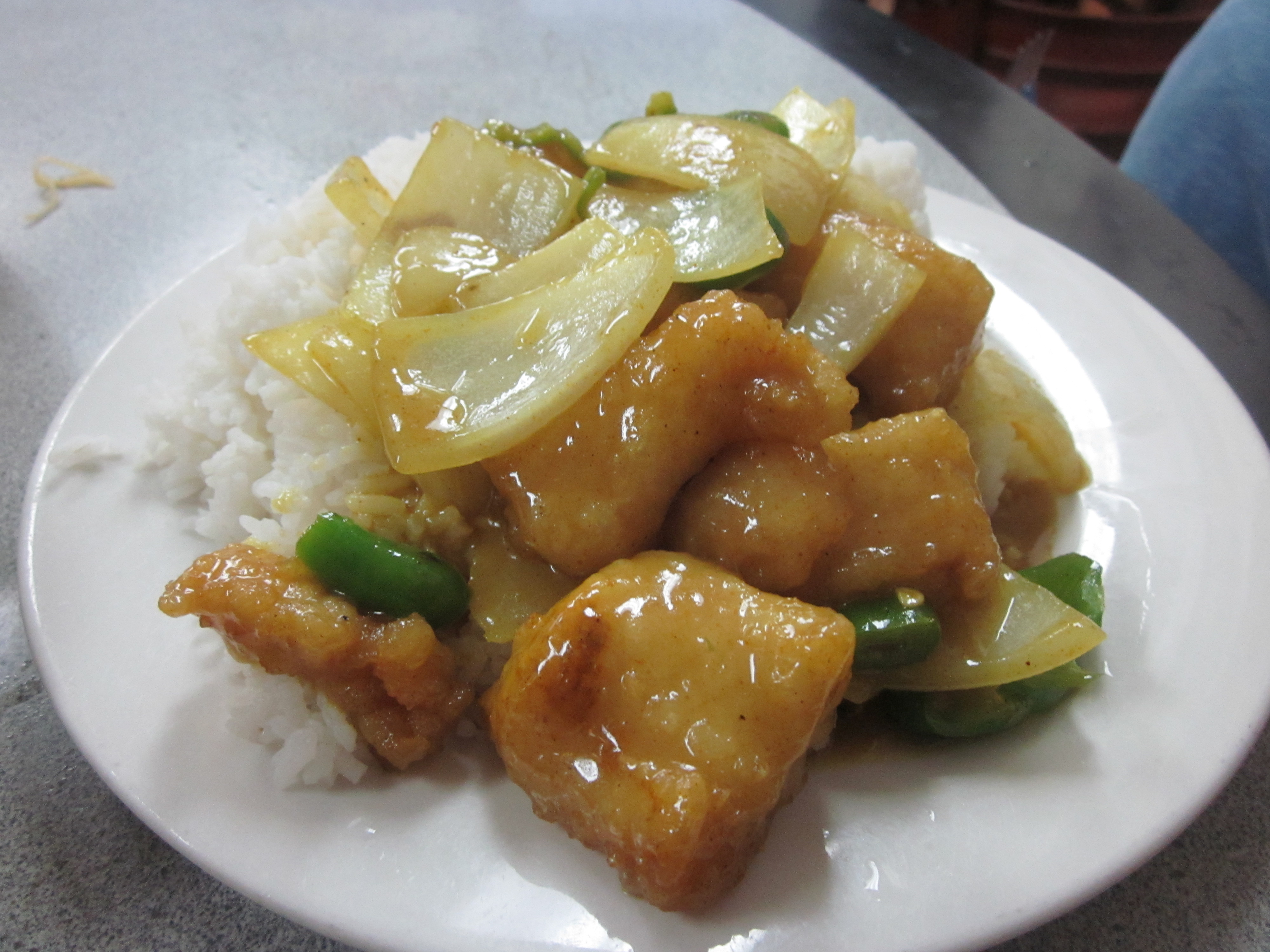
I worked through the mound of food in front of me methodically, matched only by Zio’s devotion to the chunks of white fish, fried and smothered in a yellow curry sauce.

Curry fish over rice.

Eventually it was all gone with the exception of a few spoonfuls of broth from the beef stew soup. Our check came. We ate $7 worth of food each.  If $5 was enough for a king, what did the additional two dollars make the two of us if not kings?  The man in the red nylon sweat suit was no longer outside to ask.

Cheung Wong Kitchen Inc
38A Allen Street
Chinatown

Baklava in the Bleachers

16 Oct

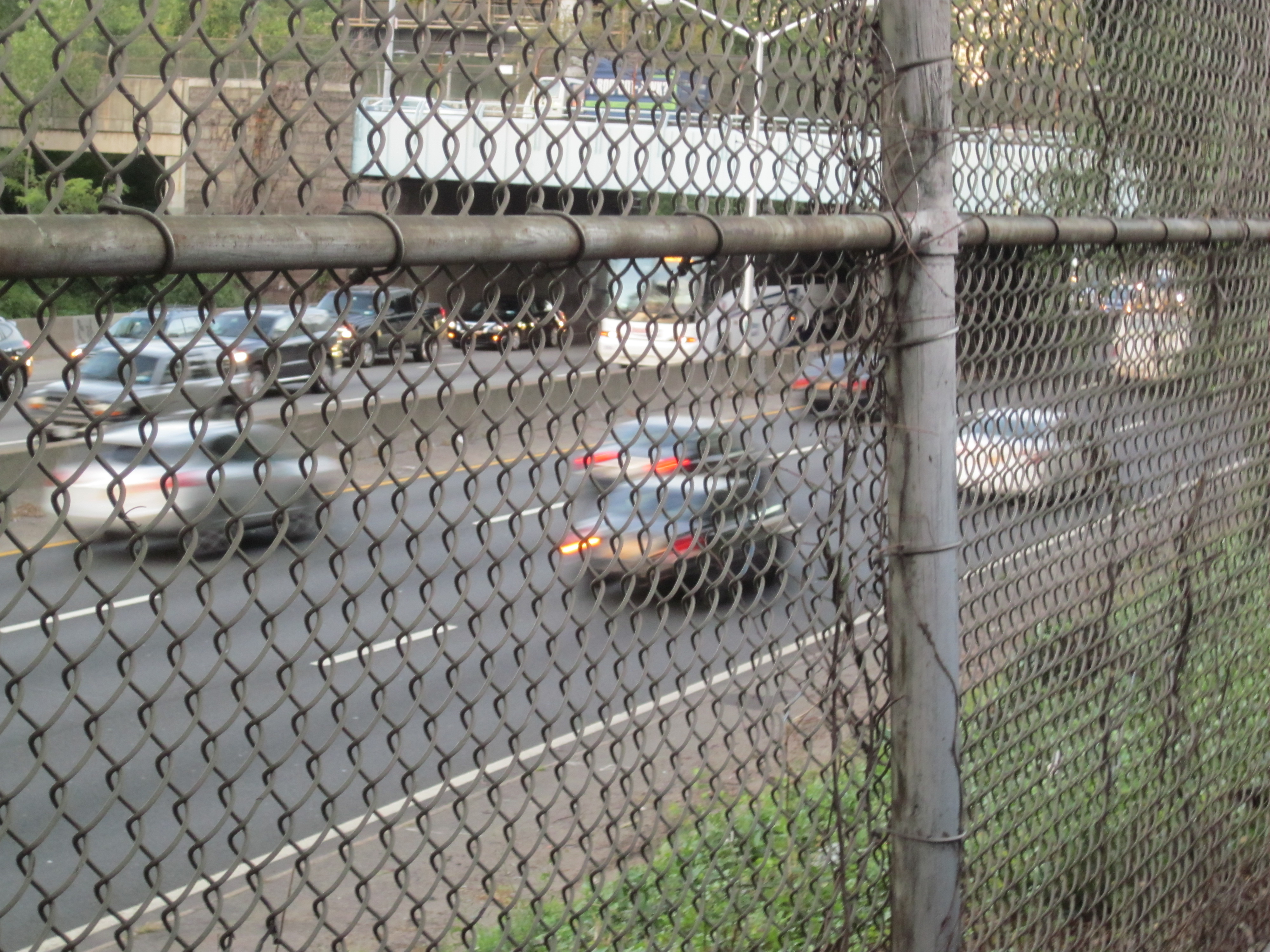
As I said in these pages about a month ago (New Year’s Penicillin), I’ve been spending a lot of time just off the 230th Street exit of the Major Deegan, sitting on crooked aluminum bleacher seats watching baseball on a small field. The field borders the Deegan and the hum of traffic is a constant.

The bleacher seats: no admission charge.

In between games or while waiting for the games to begin, I’ve become very familiar with the Kingsbridge neighborhood that surrounds the field.  A café con leche at Malecon Restaurant has become a weekly treat and as I reported here, I “discovered” a 50 year old Kosher deli named Loeser’s where the penicillin includes chicken broth, noodles, or maybe a matzoh ball.

More recently, as I waited for the games to begin, I happened on another place. Just a few paces from the 50th police precinct and across the street from the Nice Guys Car Wash, I found a small, shed of a diner called Christos Gyro & Souvlaki.

The souvlaki of Christos.

Christos, I learned, has been at its tiny location on Kingsbridge Road the past eight years—at least that was what the owner, Christopher, a.k.a Christos, said to me as he also proudly handed me a laminated Daily News article about his restaurant where that newspaper rated his gyro the best in the city.

The weather was changing. An Indian summer day was quickly turning into a brisk autumn one. I’d have to take the Daily News’ word on the gyro. I wanted something else. I didn’t need New Year’s penicillin, but the close Greek equivalent would do very well.

“You want the avgolemono?” Christos asked.

“Yes I do,” was my definitive response.

“Anything else?”

“Moussaka,” I said, not caring that I might miss the beginning of the game.

“Very good choice.”

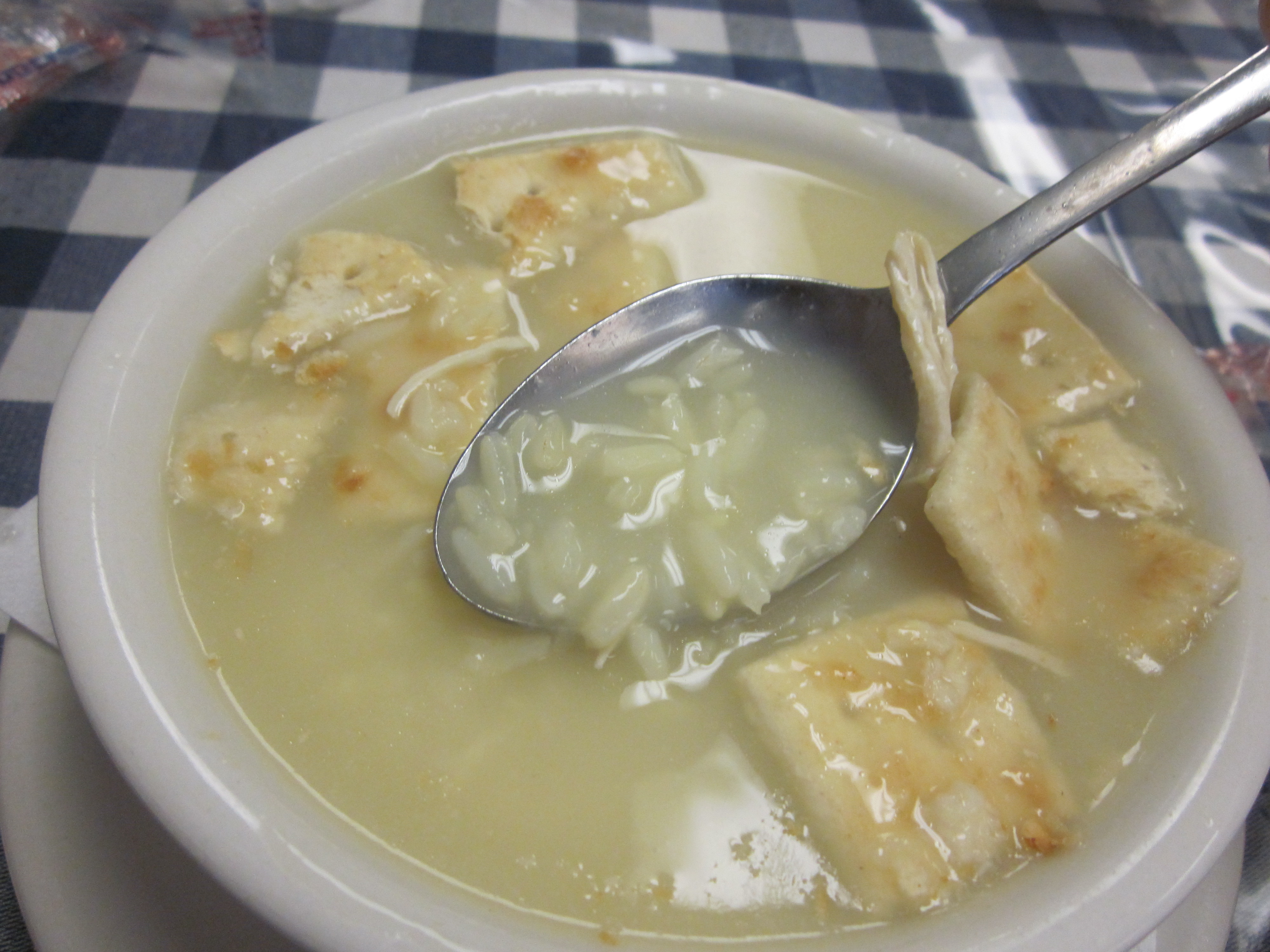
The bowl of the yellow-tinged, lemon chicken soup was steaming. Spherical dots of orzo floated within along with slivers of chicken. The distinct citrus snap of lemon meshed magically with the hearty, comforting chicken broth.

I crumbled a few saltines into the bowl and slurped. It wasn’t long before the bowl was empty.

Christos’ avgolemono

Moussaka awaited, paired with a simple Greek salad, pita bread and a generous bowl of tzatziki. I dipped the pita into the creamy, garlicky yogurt…and then I double dipped.

The half inch of béchamel sauce on top of the ground beef and eggplant was airy, the filling scented with cinnamon. I alternated between bites of the moussaka and dips of the tzatziki until all was gone.

Moussaka, Greek salad, tzatziki

Christos came to clear my table. “You did good,” he said.

“I know,” I answered, happy to have made him proud.

As I waited to pay, I noticed a tray of baklava and remembered reading in the Daily News piece that Christos’ wife made them fresh daily. I pointed to it. Christos’ son was working the cashier—Christo’s was most certainly a family affair. “To go?”  he asked.

I nodded and took the bagged baklava back to the ball field. I devoured it watching baseball on the bleacher seats while like a continuous loop, the music of the Major Deegan played on and on.

Music to eat baklava by.