Tag Archives: culture

The Fusion Files: Neighborhood Edition

2 Dec

I’m all for diversity, especially when it comes to food options. But what does it mean when a neighborhood famous for a certain type of food is now accepting of something new and totally different for that neighborhood? Is it a good thing; further evidence of New York’s welcoming melting pot? Or will those foreigners begin to deteriorate the formerly close-knit fabric of that neighborhood.

Case in point: Arthur Avenue in the Bronx, also known as the “Little Italy of the Bronx.”

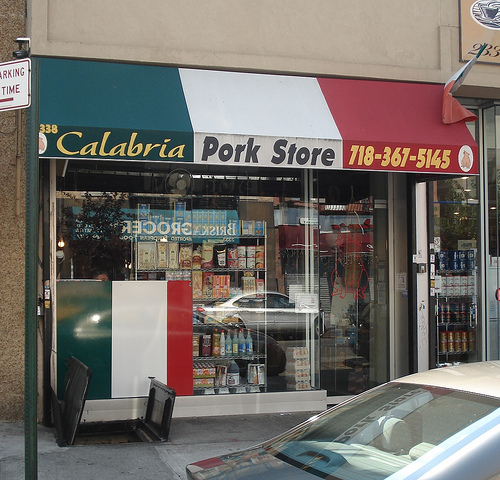
Between shopping for soppressata at the Calabria Pork Store.

And scamorza at Calandra’s Cheese.

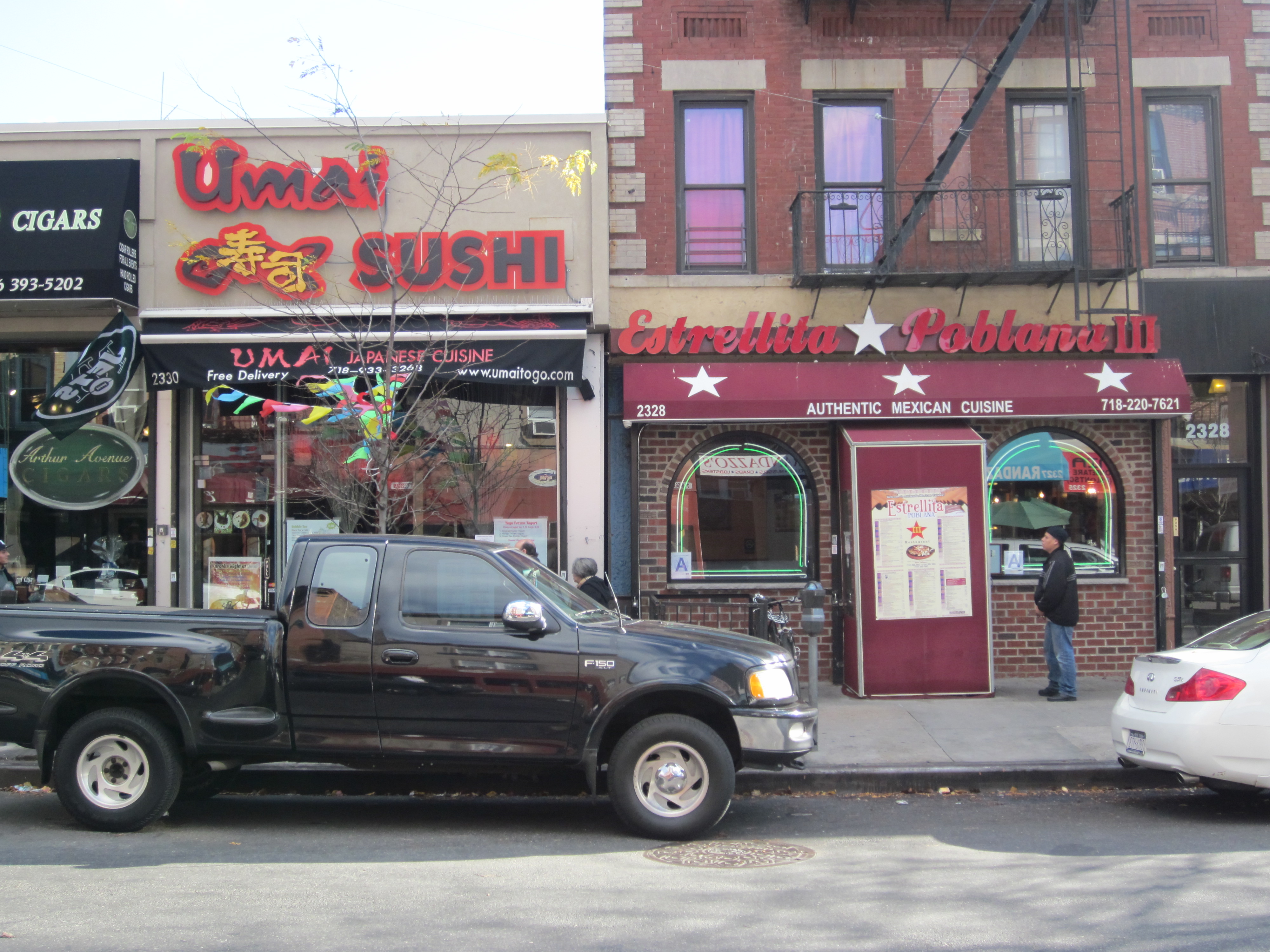
You can now, between these two stores on Arthur Avenue in the Bronx, dine on sushi and/or tacos instead of pizza and pasta fagioli.

I don’t know whether to throw up my hands and say “there goes the neighborhood,” or rush into Estrellita Poblana III and try their cecina azada con napales (grilled salted steak with cactus pads).

A Green(s) Thanksgiving

24 Nov

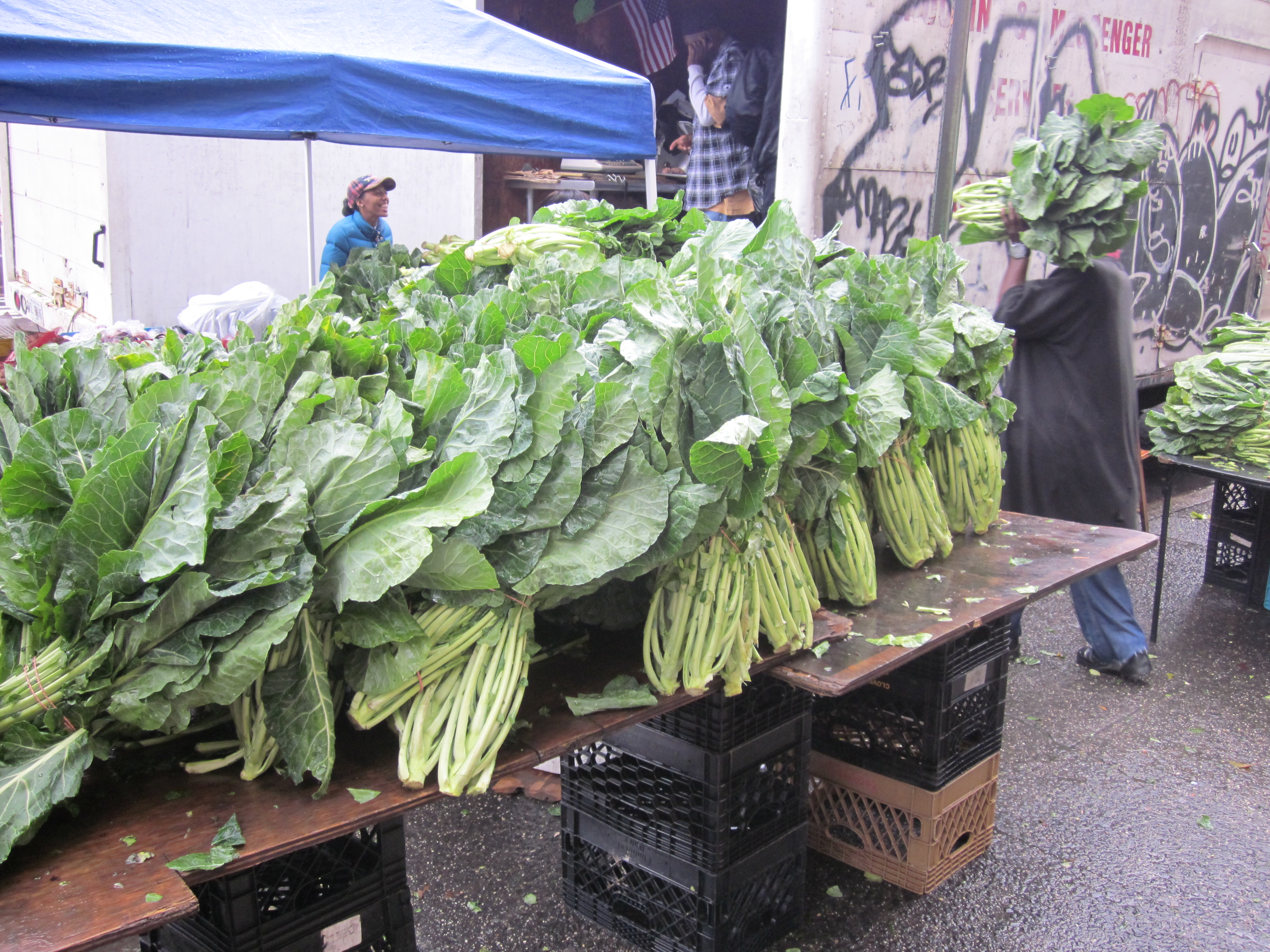
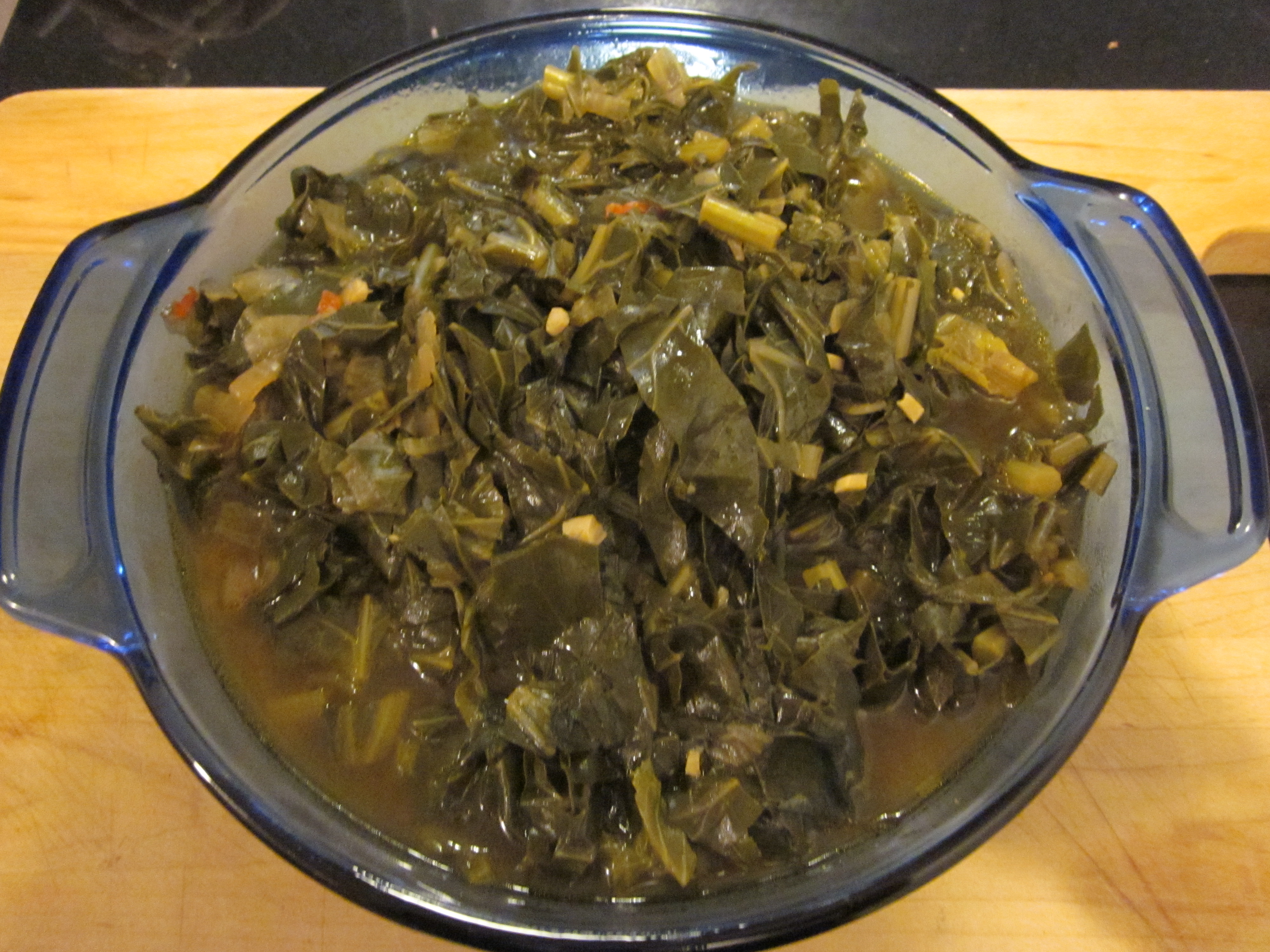
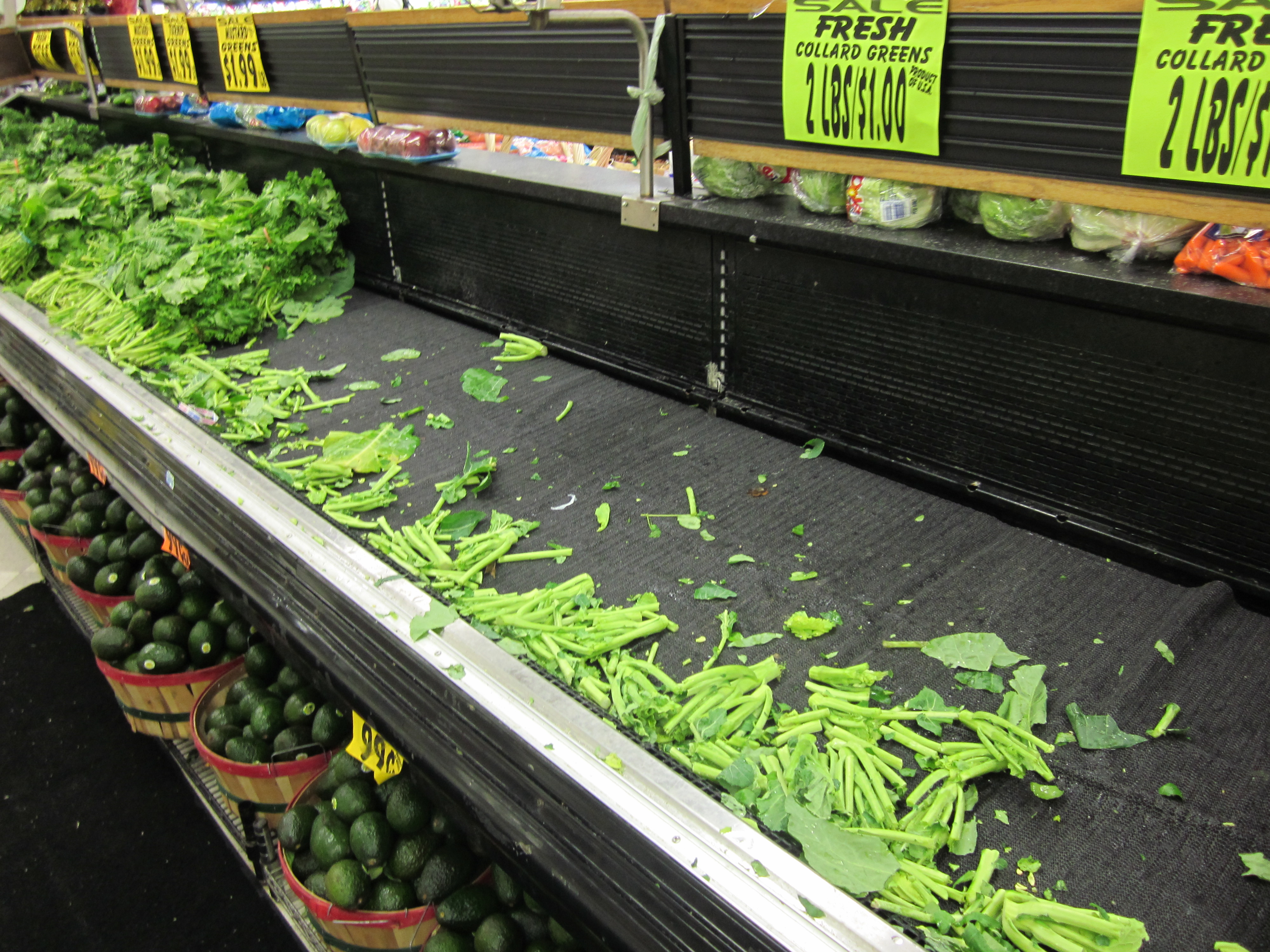
Chop and wash the collard greens (enough to fill up a large pot).

Chop one large onion.

Mince two cloves of garlic.

Take a big pot and saute the onion and garlic in the olive oil until they soften, careful, don’t burn the garlic.

Throw in a few smoked turkey necks or turkey wings (optional).

Add the chopped greens until the top of the pot can barely be covered.

Add about three cups of chicken or vegetable stock.

Sprinkle in some dried hot red pepper.

Salt to taste.

Bring to simmer and cook about an hour or until the greens are tender.

Add a tablespoon of cider vinegar and a few dashes of Tabasco for some extra kick.

Enjoy with turkey.

He who hesitates…

The Place Where They Don’t Count the Shrimp

22 Nov

Sabrosura
1200 Castle Hill Ave
Bronx
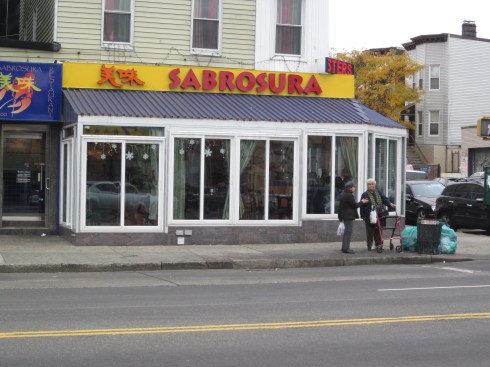
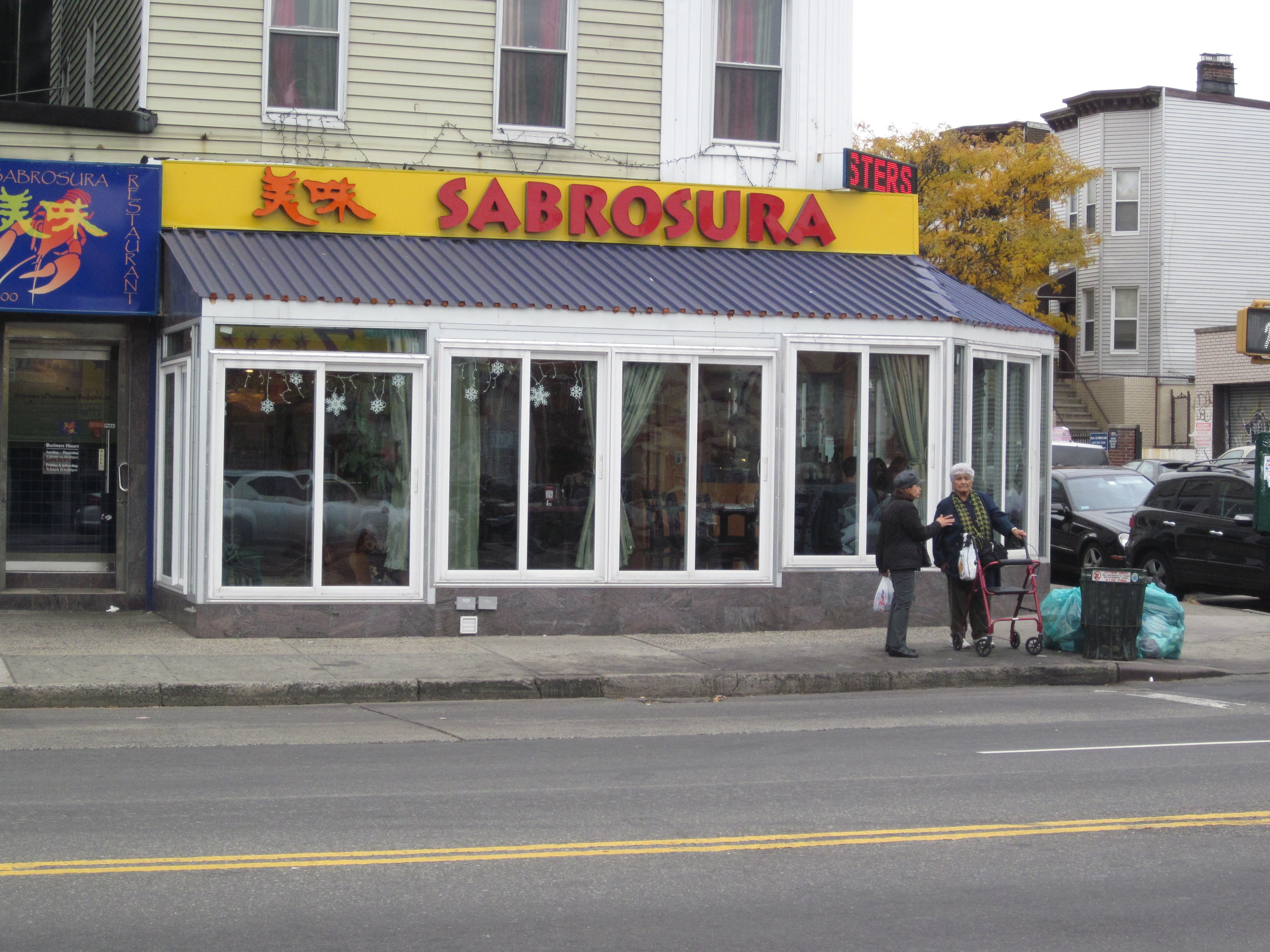
Zio and I were waiting in front of Sabrosura for Gerry, Mike from Yonkers, and Eugene to arrive. The corner restaurant had a no reservations policy and also one where the full party had to arrive before being seated. The latter policy usually reeks of arrogance and over confidence; the restaurant thinking that holding tables with one or two people of a larger party will slow down the turnover.  But despite the policy, Sabrosura showed no signs of pretension or arrogance and when I first entered, the owner, a pleasant man of Chinese heritage, who, I later learned was born and raised in Santo Domingo, took my name and offered me a very small seat near the busy take-out section of the restaurant where I could wait for the others. The night was mild, however, so Zio and I chose to wait outside.

“The food’s the best around here,” said a man who had exited the restaurant behind me and observed my situation. “It’s worth the wait.”

After our last couple of outings; mediocre African in Harlem and tasteless Fujinese in Chinatown where we struggled through webbed duck feet, fish stomach, and a very spiny eel, I thought we needed to get back to basics. And Chino-Latino, the food offered by Sabrosura, was as basic as it got for me.

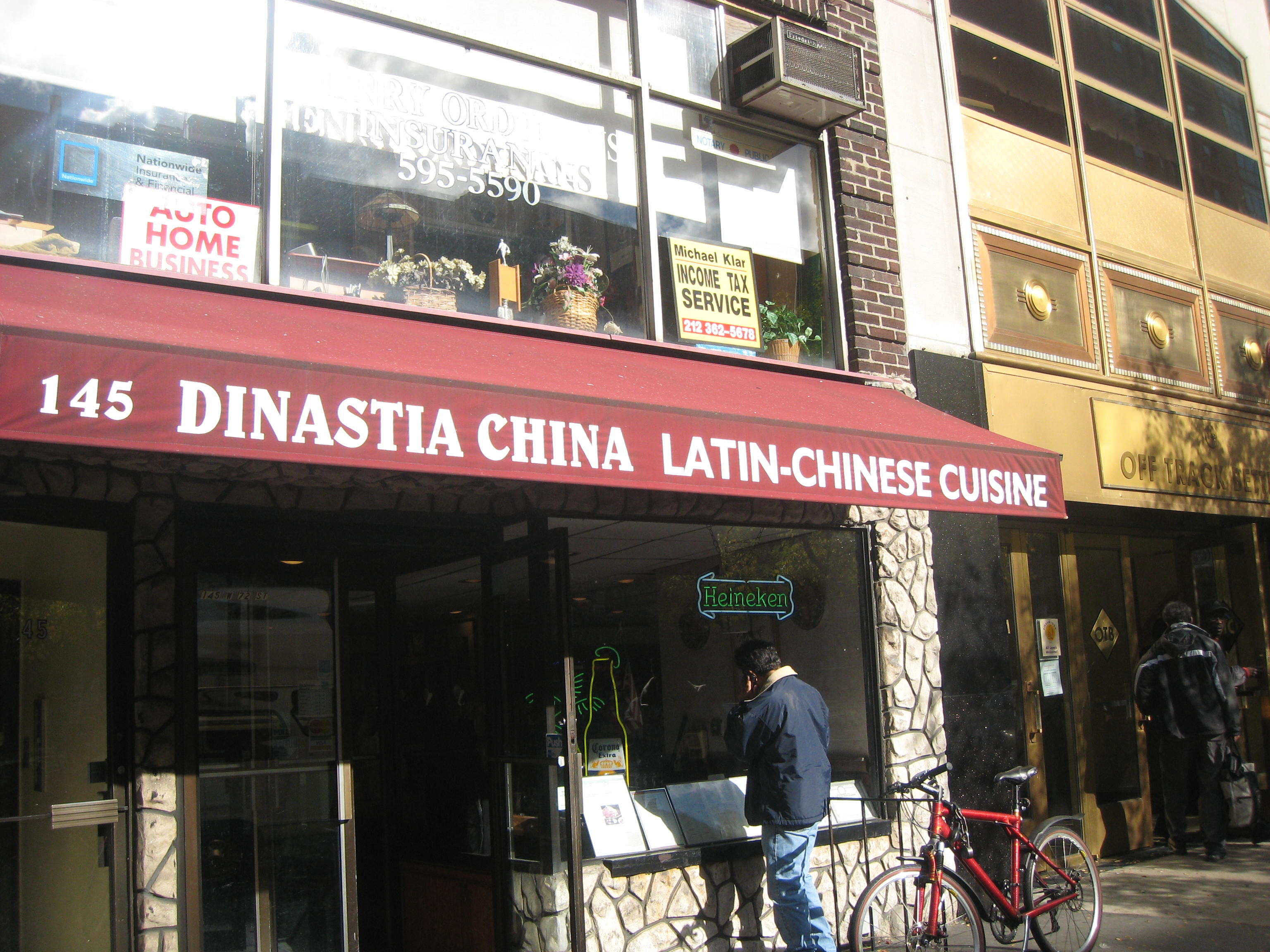
One of the first restaurants I dined in after moving into the city was a dingy place on West 72nd Street called La Dinastia. It served Latino specialties like rice and beans, huge plates of roast chicken with platanos or maduras (green or ripe plantains) ropa vieja (shredded beef), picadillo (spiced ground beef) and fried king fish along with Chinese-American staples; wonton soup, barbecued ribs, lo mein, fried rice, and sweet and sour pork. To me, at the time, it was a revelation. It was cheap. It was hearty. And the restaurant’s total lack of atmosphere perfect fodder to my then creatively downscale brain. Friends I brought to La Dinastia didn’t always agree and it was nicknamed by one as “Dinasty”. But that just spurred my loyalty to the place. Even the presence of a dead cockroach floating in the duck sauce one time I dined there did not sour me on the restaurant. That, in a way, was part of its appeal.
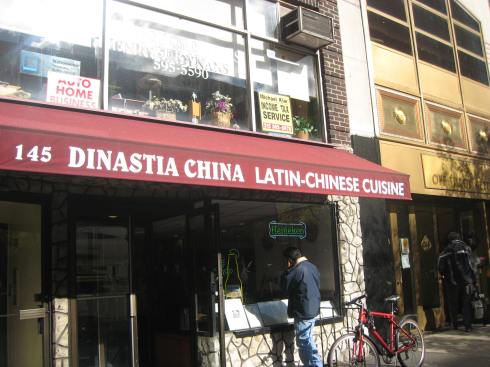
La Dinastia, now known as DInastia China

“They don’t count the shrimp or anything,” the man, who was in his early thirties, burly, wearing a tight sport jacket, neck tie loose and collar half turned up, who told us he was Dominican, added. “The other places around here…they only give you a few shrimps in your asopao. This is the place to come in Castle Hill.”

We didn’t have to prod him for information about Sabrosura or the state of dining on Castle Hill Avenue where Sabrosura was located; it flowed from him…until he got the signal that his take-out order was ready.

We spotted Eugene and Gerry in Eugene’s car looking for a parking spot. Zio and I went in the restaurant, but still they were hesitant to seat us. “Looking for a parking spot? Ha, that’s what they all say.”

Upon quickly glancing at the colorful menu filled with photographs of many of the various dishes, Eugene, obviously still stinging from our last inedible experience blurted; “Finally, there’s something we can eat here.”

And he was right, but the menu was vast and offered a number of combinations, some in triplicate, and even including Chino-Latino “Bento Boxes,” so the dilemma for us was to narrow the options down.

One thing La Dinastia, or most of the Chino-Latino restaurants I ever visited never had was that Puerto Rican/Dominican specialty, a mash of twice fried plantains, pork cracklings and garlic called mofongo. Sabrosura had a number of different types available and, as the menu stated “All mofongos normally include garlic and crispy pork skin; if you don’t want either, just let us know!” That was the kind of place Sabrosura was; anything for their customers. But we most definitely wanted garlic and pork skin with our mofongo and we wanted ours with shrimp. Gerry was concerned that one would not be enough until he saw that size of the bowl that was coming our way. The huge bowl was  a hollowed out mofongo filled with shrimp in a tomato-based gravy and topped with a few slices of avocado.
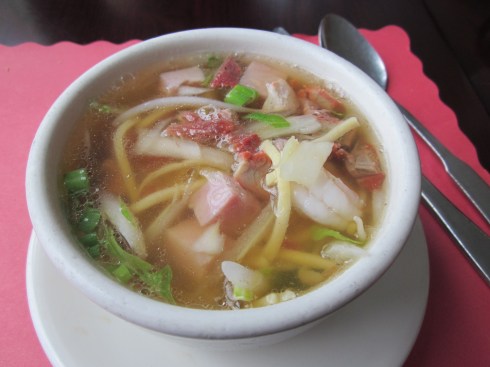
Chinese Chop Suey Soup

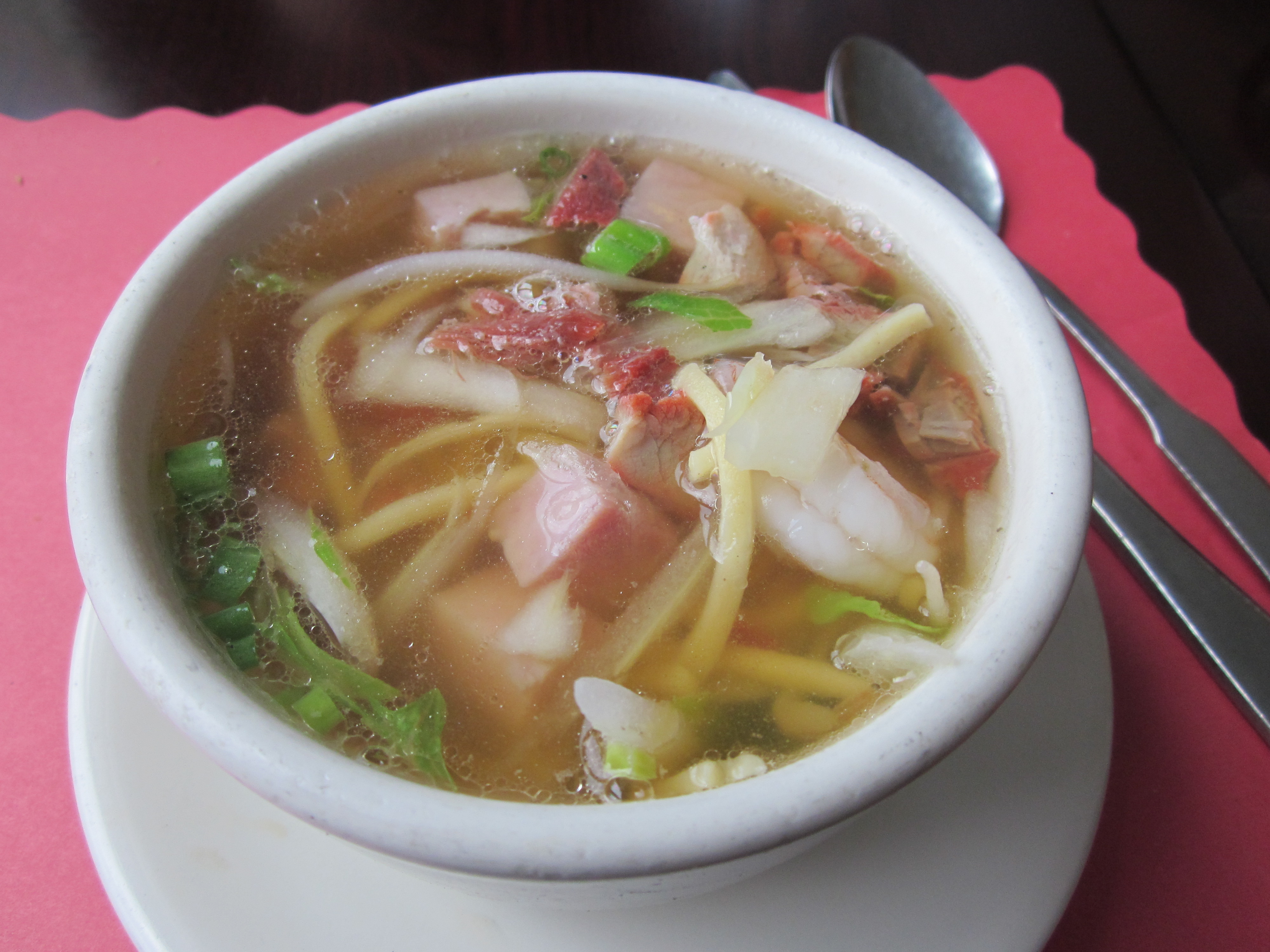
Along with the mofongo to start, I couldn’t resist trying the “Chinese chop suey soup.” My experience at Chino-Latino restaurants was that the soups were actually very good; whether they were wonton, or called “Chinese soup,” or “Special Chinese soup,” they were usually in a light chicken broth, brimming with bok choy, cabbage, bean sprouts, noodles and bits of roast pork, ham, and shrimp. At Sabrosura they didn’t care if they used the very old school word “chop suey” to describe their soup and neither did I. What I tasted was reassuringly familiar and after finishing it, left me, predictably, with a slight MSG buzz.
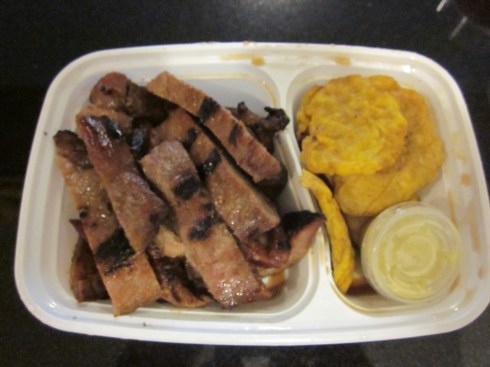
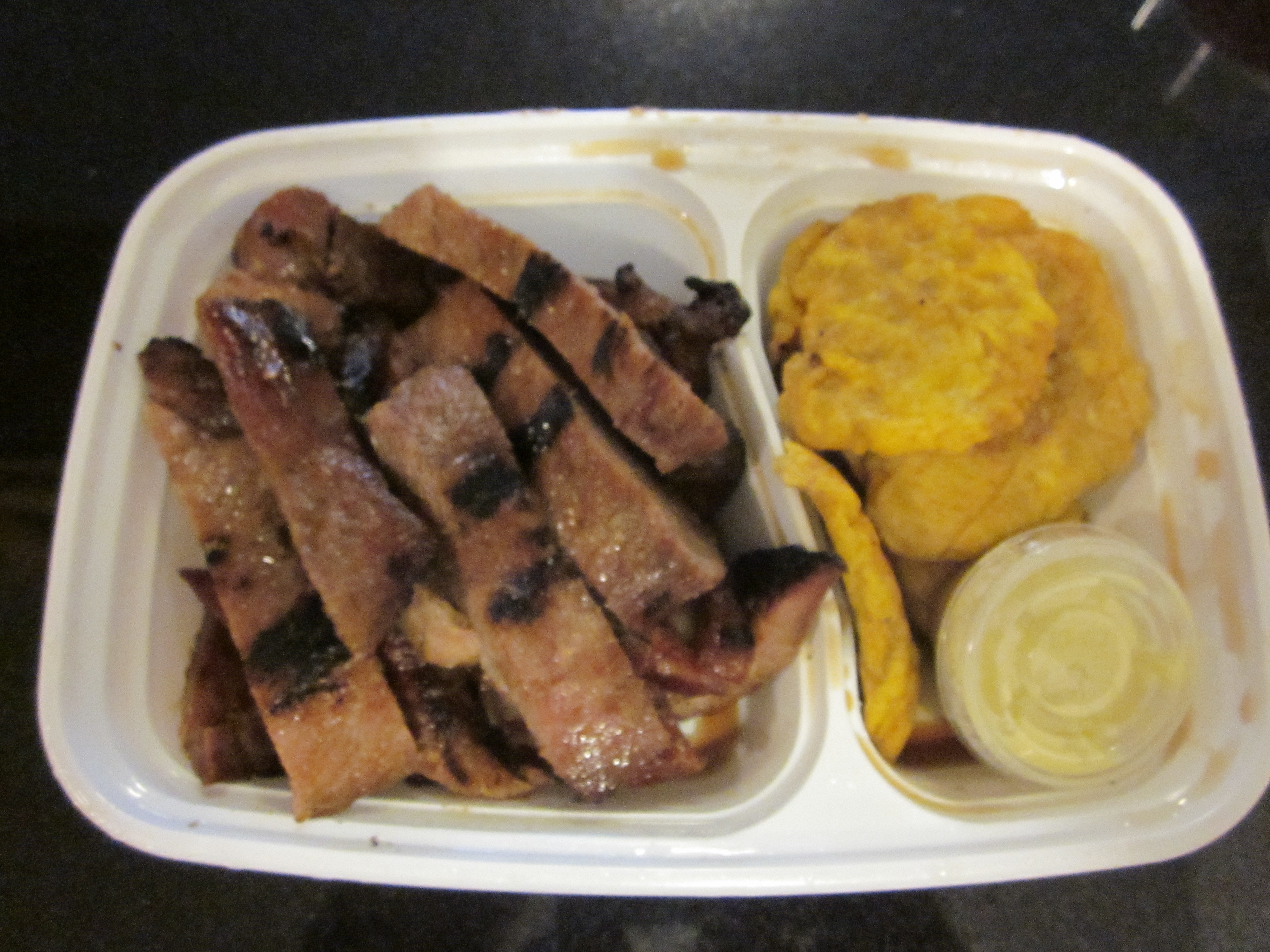
Bourbon boneless ribs and plantains

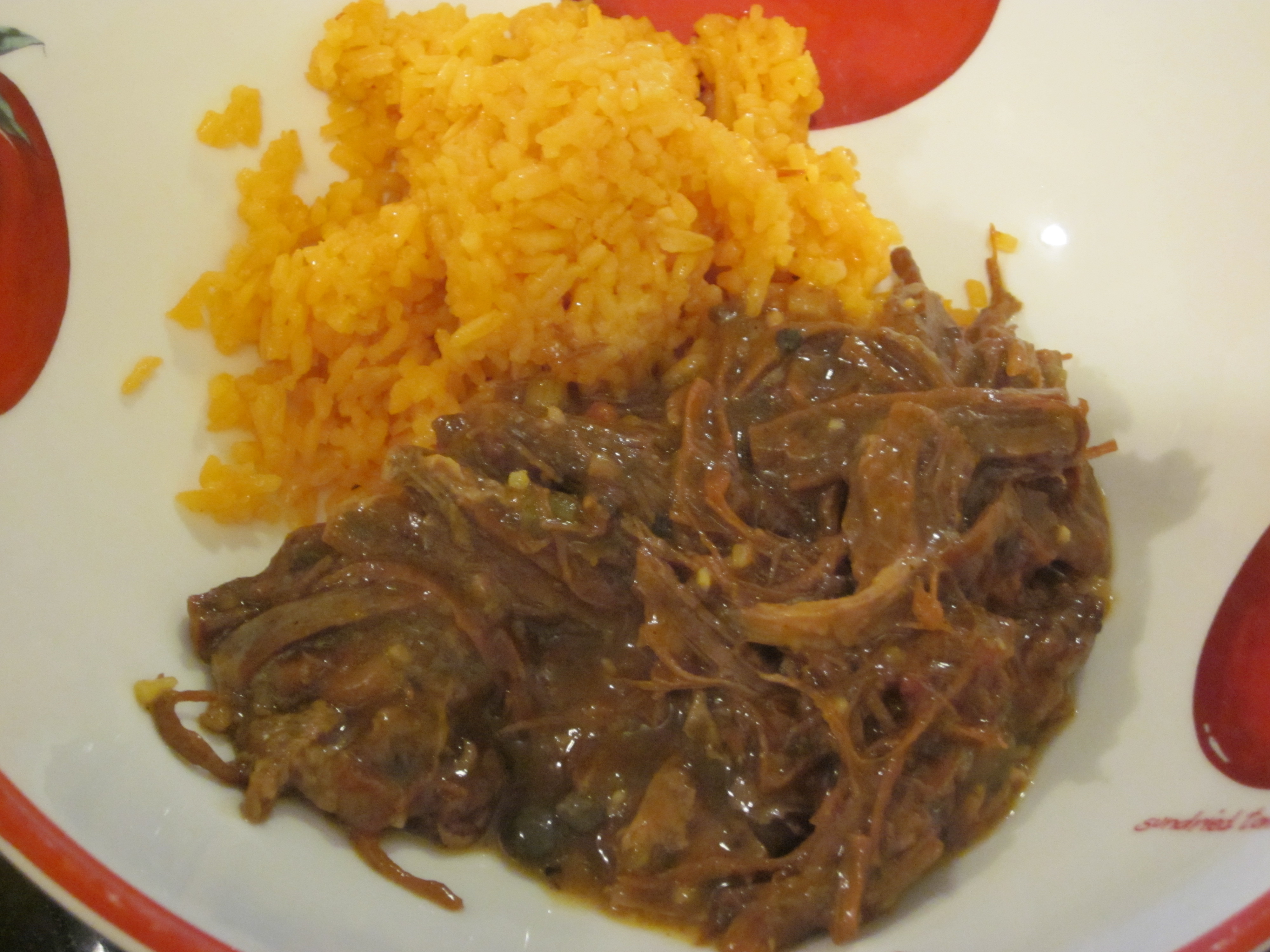
The feast proceeded from there. Mike from Yonkers slowly devouring a monstrous platter of broiled fish that looked exactly as it did on the menu. Eugene working his way through a combination called the “Mojito;” roast chicken and boneless bourbon barbecued ribs.  Zio experimenting with a Bento Box of fried fish, pork, and anything else that might immediately stop his heart. Gerry digging through a mound of fried rice topped with shrimp and squid called chofan, and I with my old standby, ropa vieja with yellow rice.  No one complained. No one moaned. Everything was eaten.
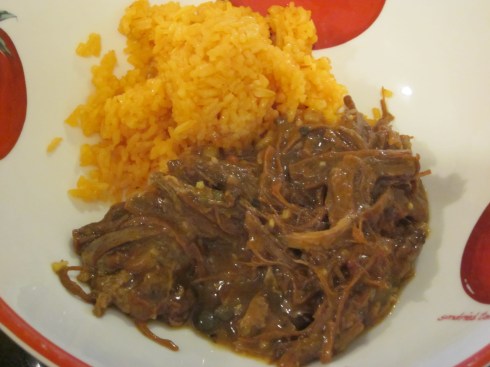
“old clothes” with yellow rice

After a sampling of the restaurant’s excellent flan, we staggered out onto Castle Hill Avenue all of us very happy that at Sabrosura, they do not count the shrimp.

Saltfish Season

18 Nov

I’m not sure why,  but the chill in the air  and the impending holiday season brings on a distinctive and maybe unnatural craving for the taste of saltfish. Also known to Italians as baccala,(a ditty to that Christmas Eve treat was published in these pages last year titled Baccala Blues )to those of Spanish background as bacalao, and to the Portuguese as bacalhau,  Saltfish is the West Indian name for what we know as salt cod.

Not the most appetizing to look at or, for some, to smell, but after the dry, salted fish is soaked to rehydrate it to a moist tenderness and then simmered,  a man can get very used to the taste.

“Very well I like the  taste
Though the smell, sometimes out of place
It hard to take, but make no mistake
I want you to know, it’s because it extra sweet it smelling so boy it’s

Saltfish”

The words above are from the great Calypsonian, Sparrow’s love song dedicated to saltfish’s wonderfulness named, appropriately, “Saltfish.” He does a much better job articulating the appeal of saltfish than I ever can, so I’ll let him do it for me.

The Many Pizzas of Sal’s

11 Nov

Here in New York there was an overblown controversy about who retained the rights to be known as Ray’s Pizza. The original Ray’s, at least I think it was original, was in Greenwich Village on 11th Street and wildly popular for the excessive amounts of cheese piled onto each slice rather than for its overall quality. So says I, the pizza snob.

Ray’s popularity spurred a flurry of Ray’s imitators, or so “Original Ray” claimed. Lawsuits were threatened and to avoid them, the numerous Ray’s throughout the city slightly tweaked their names.  “Famous Ray’s,” “World Famous Ray’s,” “Original Ray’s” “Ray Bari” were some of them. There was even one called “Not Ray’s Pizza.” Soon the controversy fizzled and recently the Original Ray’s closed ending “Ray’s” pizza(name) dominance in the city.

You know it’s over for Ray’s when the name is blocked out and no longer “of Greenwich Village.”

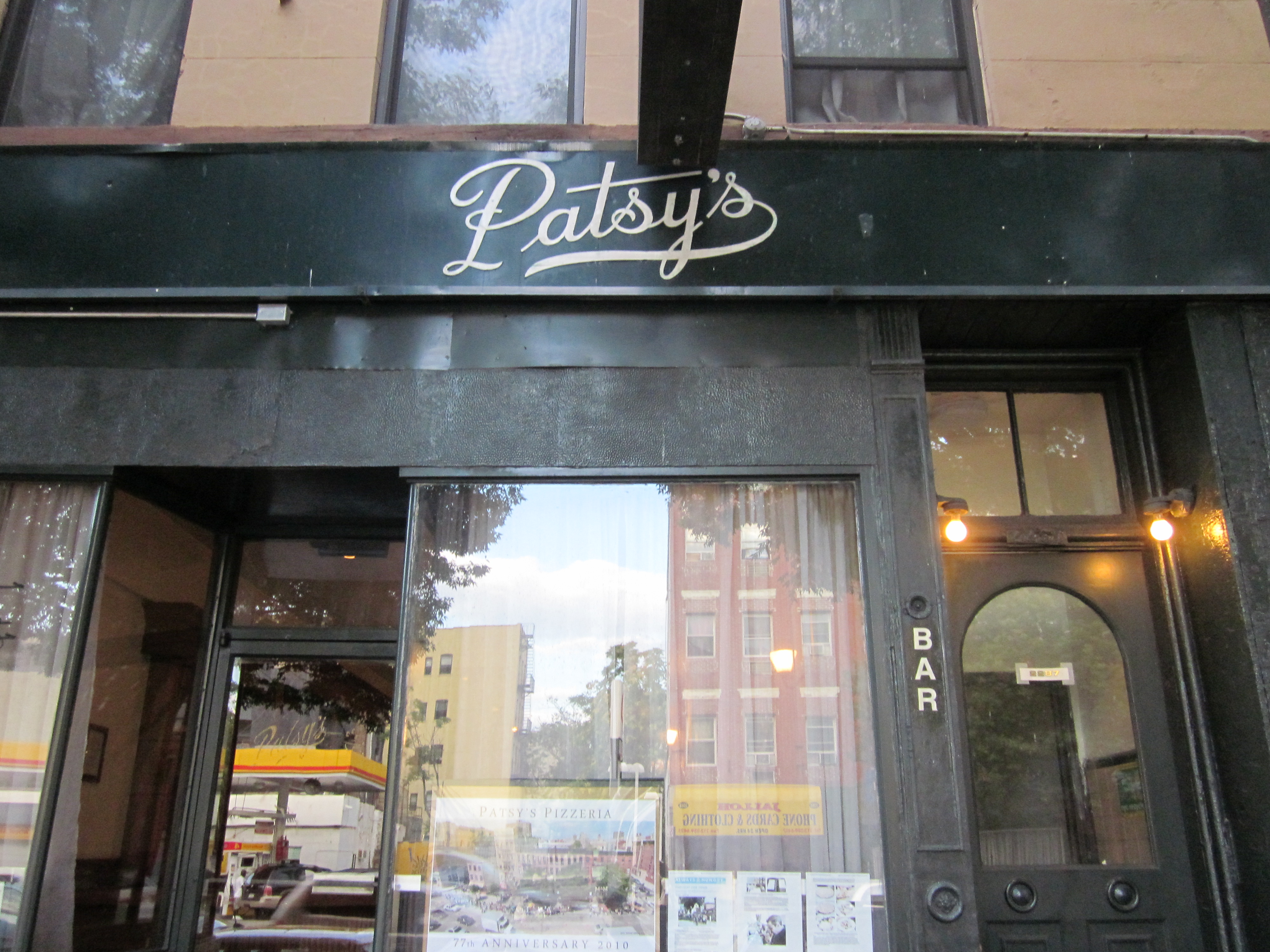
On a smaller scale, but higher in the pizza royalty chain, was the battle over the use of Patsy’s in connection to pizza. There was the original Patsy’s on First Avenue in East Harlem that still remains. And then there was Patsy Grimaldi’s in Brooklyn, just over the Brooklyn Bridge who was legally forced to drop the “Patsy’s” part of his actual name and became known as Grimaldi’s.  Patsy’s revival and the ensuing controversy led to a chain of Patsy’s designed to emulate the original, but none had that pizzeria’s magical ancient coal oven and, as a result, the pizza just wasn’t of the same quality.

The original Patsy’s.

It is now my pleasure to report that probably the most prolific pizza name of all has not sparked any controversy or legal action that I know of. That name is Sal’s.

Still, though, many Sal’s have found it necessary to inject something else to their name to differentiate themselves from the other Sal’s out there instead of just relying on their location and the distinction of their pizza.

There are many Sal’s in New York, but obviously only one New York Sal’s.

If Sal were to have a pizza making partner, Carmine is a natural.

Sal’s of Little Italy is no ordinary pizzeria, it’s a cafe.

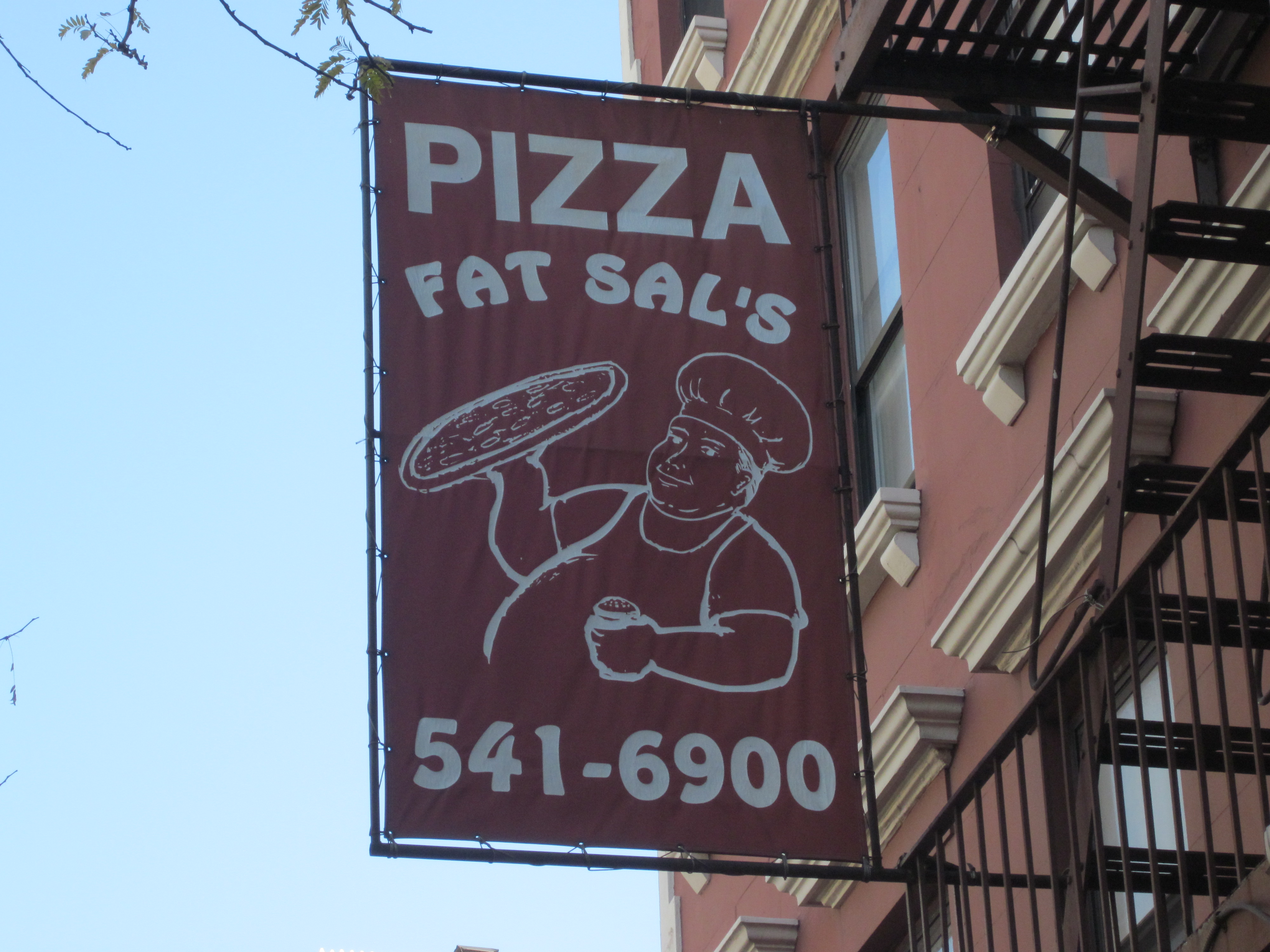
Now why did they have to go and make Sal fat?

I’ve often wondered why a man named Sal would allow himself to be known as Sally.

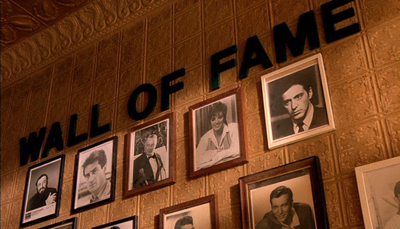
Sal’s even made it into the movies.

But why no BROTHERS ON THE WALL??

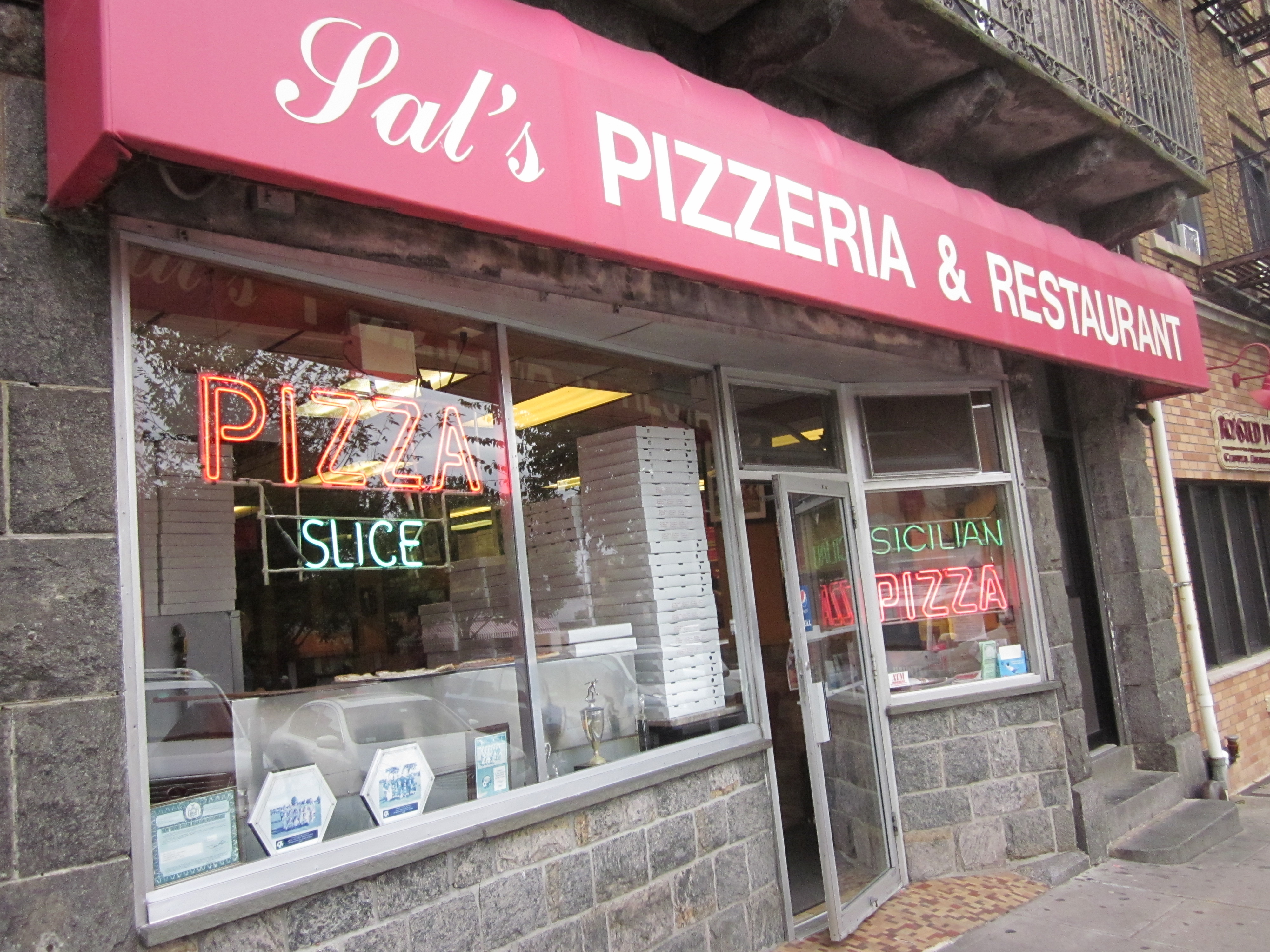
I make no judgement on any of the other Sal’s pizzerias, but for me, there is only one Sal’s Pizzeria.

The Mysteries of 67th Road

1 Nov

Arzu
101-05 67th Rd. Queens Boulevard,
Rego Park

Eugene, when it is his turn to choose one of our eating destinations, takes his responsibility very seriously. He painstakingly researches what possible cuisine we have not yet experienced and, sometimes regardless of other factors, makes that his primary choice. In our most recent case, Eugene not only unearthed an obscure cuisine, he found one that was also in an indeterminable location making it a challenge for a GPS machine, Mapquest, Google maps, Yahoo maps, or any other electronic direction device. Was Arzu, the name of Eugene’s selection located in Flushing, Queens? Was it in Rego Park or Woodside? Was it on Queens Boulevard. . .67th Rd.  . .67th Ave. . .67th Place? No one really knew for sure.

After finally locating 67th Rd. . .but no Arzu, I found the restaurant tucked away on a side street on the opposite side of Queens Boulevard of where my Google Map had originally directed me. It helped that Eugene’s lean, dark, melancholic figure was standing outside of the restaurant or I would have missed it on my first go round. The others had not arrived, but Eugene and I went in.

Thinking Arzu was in Flushing, I assumed that the cuisine was regional Chinese, but inside, the patrons and staff looked like extras from the movie Borat. I asked Eugene if he knew what kind of food we would be eating. He just shrugged. “I don’t know. It’s something different,” he said with a shrug. He was as clueless about it as I was.

A quick glance at some of the grilled kebabs on long cutlass-like skewers that were appearing at other tables and I surmised that we would be dining on some variation of a “zikastan.” And after looking at the menu, which proclaimed Arzu as Kosher, the only hint of where the nation of origin for the food we were about to eat was the mention of Uyghur—as in “Uyghur hand-made Lagman (noodle soup with meat and vegetable.)”  The others in our group were late. I was hungry. I ordered a bowl.

Lagman soup

Just as I was about to begin slurping the “lagman,” my cell phone rang. It was Gerry. There was desperation in his voice. “Can you please just walk out of the restaurant and wave,” he pleaded.

I took the phone and went out of the restaurant, waved, but in the darkness of 67th Rd, there would be no way he could see me. I told him it was directly across Queens Boulevard (also known as the Boulevard of Death) from the Starbucks; a landmark Gerry quickly identified. A few moments later, Gerry, along with Mike from Yonkers and Zio filed in.

Neither Zio, Mike from Yonkers, nor Gerry were familiar with the cuisine of Uyghur nor did they know where that country might be located. It took a session with my son, the geography whiz to learn that Uyghur is in fact, the name of the peoples who populate East Turkistan bordered by China on the east and Kazakstan on the west. And, with the exception of the very smooth, slightly spicy soup, we soon learned that the food is as rough as, undoubtedly the terrain of that region.

I wonder if there is a 67th Road in the Uyghur Region?

Eugene’s very limited charm was having no effect on our waitress as he tried hard to get her to help us in making our choices from the undecipherable menu. She was able to figure how many orders of meat pies and steamed dumplings appetizers would be suitable for our party of five and brought them to us immediately.

After severing through the almost impenetrable crust of the pie, the indistinguishable chopped meat within tasted as if it had been sealed inside for months and was as equally tough as the crust; a small sample would have been more than enough of the meat pie.

The steamed dumpling platter included half stuffed with sweet pumpkin while the others contained the same mystery meat that was in the pies. No wonder most of the patrons at the restaurant knew to bring their own bottles of vodka. Now if Eugene provided us with no other information than that, his duty would have been more than fulfilled.

There wasn’t much to say about the shish kebabs. They were what they were: grilled meats on a skewer. The soup had helped satisfy me, but Zio wanted more and unashamedly scooped the remains of the meat pie onto his plate. “Yeah, I know its dog food, but I’m still hungry,” he said.

The others were, not surprisingly, feeling somewhat undernourished, but none dared return to the meat pie. Instead we tried the local “halvah” dessert; a tiny, pistachio-dusted diamond that surpassed anything else we ate that night along with Azrzu’s other dessert offering, a mound of dried Chinese noodles soaked in honey that, sadly, was the perfect complement to the unfortunate meat pie.

The mystery of the meat pie can be found buried within. Open at your own risk. 

OWS Recession Special

7 Oct

Not to worry millionaires, if  a tax increase creates a hardship for you, head uptown where if you buy a soda and a bag of chips you are entitled to complimentary use of the rest room facilities.

Men on Fire

4 Oct

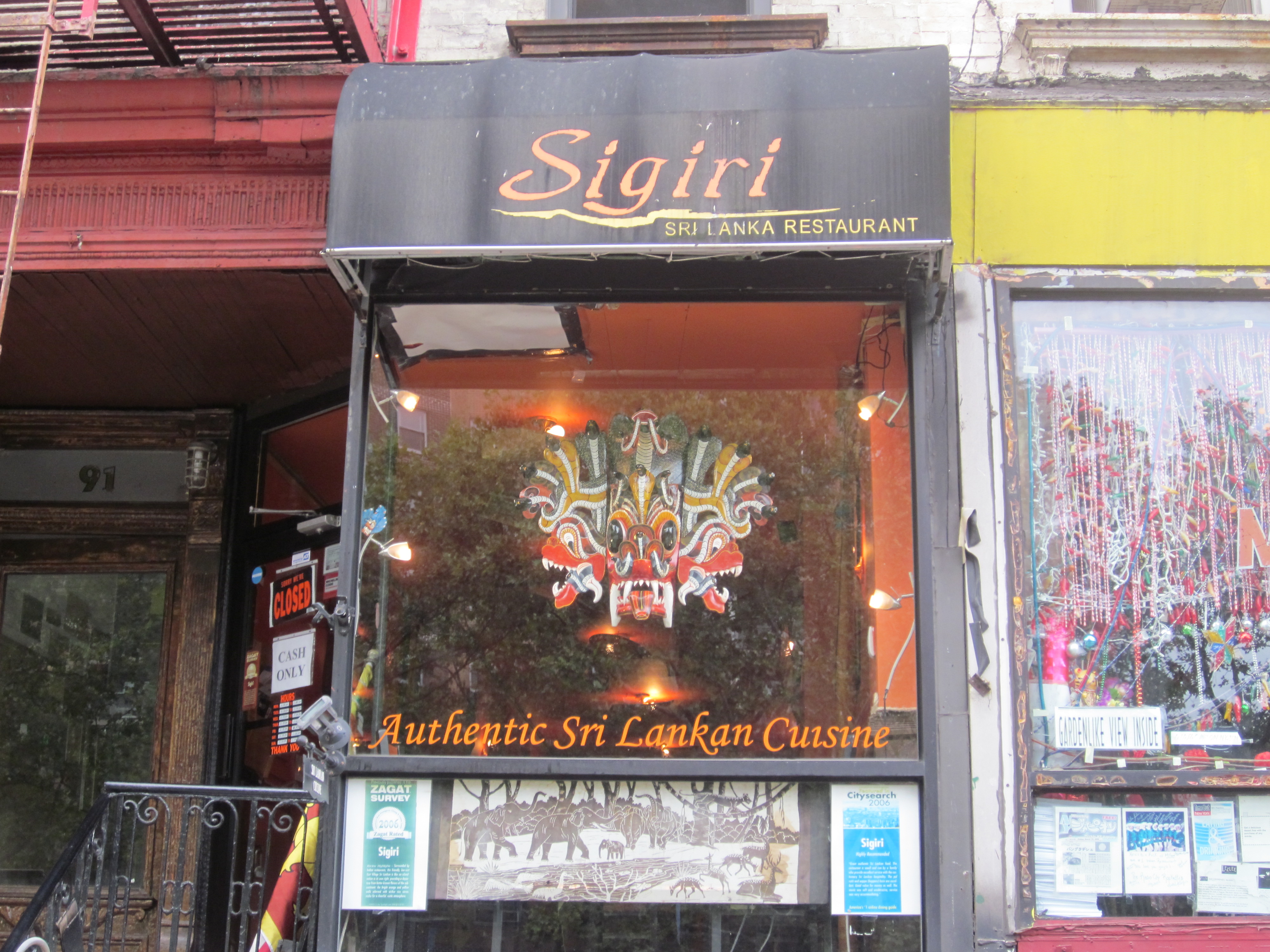
Sigiri
91 First Avenue
New York, NY

After missing our last two meetings, Rick was called upon to locate our next destination and after much deliberation, steered us to the gentrified East Village for a cuisine we had yet to experience: Sri Lankan.

Sigiri was around the corner from the stretch of Indian restaurants on East 6th Street between First and Second Avenues known as “Little India” where I often brought dates because the prices were the best in the city—even cheaper than Chinatown and always byob. I got a little nostalgic walking past the few remaining dingy dives on the block. My longings for the past, however, quickly dissipated after I was accosted by a row of servers standing outside the restaurants pathetically imploring passersby to sample what I now know is substandard Indian fare.
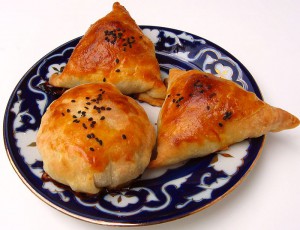
The narrow restaurant would be a challenge for our party of six, but accommodations were made and tables were joined and we were able to sit together. From my pre-dinner, online research, Sigiri, I believed was the only Sri Lankan restaurant in Manhattan and this was quickly confirmed by our hostess/server who spoke not with an Indian accent, but with a melodious British one.

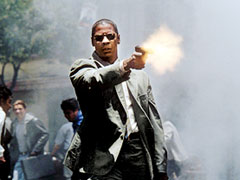
And it was in that accent where she quickly charmed Mike from Yonkers by inquiring if he was Sri Lankan. I’m sure Mike from Yonkers has been called many things, but I doubt being a Sri Lankan has been one of them. For some reason it took him longer than it should have to respond in the negative and when she returned, she flattered him further by saying, “You know, you look a little like Denzel when you smile.” The Denzel in question being Washington and any similarity between Mike from Yonkers and Denzel from nearby Mount Vernon was lost on me.  And with Mike from Yonkers’ ego now meteorically boosted, he, of course, did nothing to discourage her continuous compliments.

A Man on Fire…not Mike from Yonkers (though upon closer inspection, there is a slight resemblance).

The somewhat strained flirt fest between the two was beginning to dull my appetite, but when our hostess warned us that serving Sri Lankan without any spice modification was extreme even for her, I perked up. We emphatically told her to prepare our dinner as it would be prepared in Sri Lanka as opposed to what might satisfy the gentrified East Village of New York. We didn’t need to be pampered with cloth napkins or with flickering table candles, both of which Sigiri provided much to Gerry’s disdain. We didn’t want dulled down food even at the expense of our intestinal tracks, both upper and lower.  And since we were Sri Lankan food novices, we also had her prepare what might be a good representative of that country’s cuisine with a request by Zio for a dish he insisted, for some inexplicable reason to be included, called “string hopper kotthu.”

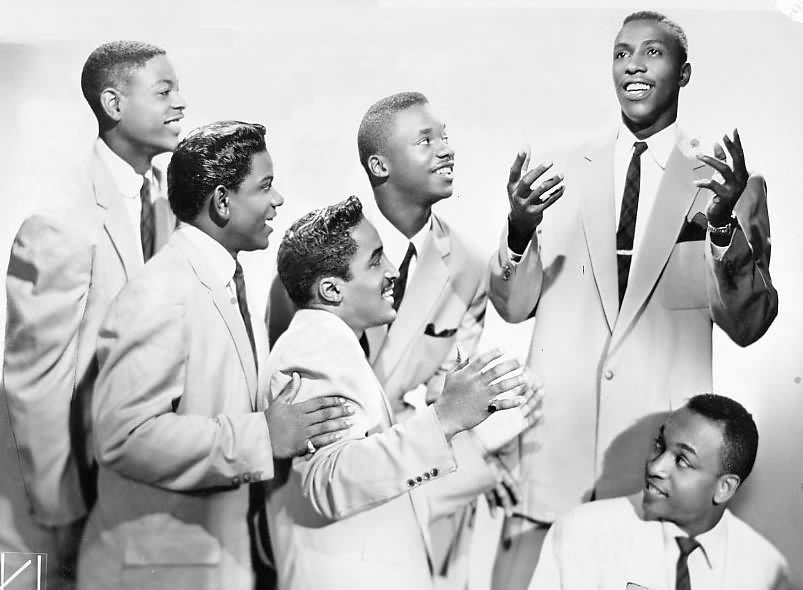
While we were waiting for our food, Eugene, conversationalist that he is, filled us in on a doo wop show at White Plains High School he attended recently where the Harptones were the lead attraction.

Life is But a Dream

“Do you know Willie Winfield is 79,” Eugene informed us, referring to the great lead singer of that magnificent group.

I appreciated the update,  but Rick and Mike from Yonkers, clueless to what Eugene was talking about could only stare dully at their beers while Zio believed that Eugene’s news was an opportunity to mention something about an obscure doo wop tune called “Knee Socks” which both Eugene and I had never heard of.  Zio remained insistent of the song’s authenticity and even went so far as to send me a You Tube link a few days later of a video of assorted female “knee socks” flashing along with the very brief song of the same name by a group called the Ideals who were known probably only to only Zio and a few other lunatics.

Yes, Zio, we believe you.

The arrival of an assorted appetizer platter that included a selection of breaded and fried “nibblers;” fish spring roll, fish cutlet, lentil patty, and a vegetable spring roll, stifled the doo wop chatter.  Anticipating heat, we were disappointed that what was on the platter was not only mildly spicy, but dry as well.  Things quickly changed when the “devilled grill” arrived on our table; grilled chicken that was the Sri Lankan equivalent to genuine Jamaican jerk chicken—only hotter. After a few bites, Zio’s world weary eyes were beginning to tear up and his nose was running as was everyone else’s.

“black” curry

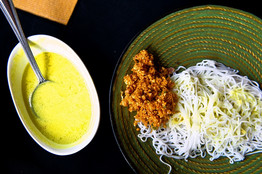
The heat onslaught continued unabated with a pork “black” curry, a fish curry in coconut milk sauce, and kotthu roti, a pancake chopped into shreds and fried with assorted vegetables. The only respite from the intense spice was Zio’s choice of string hopper kotthu, a version of Sri Lankan spaghetti accompanied with a chicken curry.

A platter of white rice and coconut roti (an Indian-style flat bread) also helped ease the pain and when Eugene was able to speak again, he proclaimed Sigiri as serving the hottest food we had yet to encounter, even spicier than the Sichuan Little Pepper of Flushing.

And if Eugene proclaims it, then it must be true.

String hoppers helped douse the fire.

Today’s Special: Name that Place.

30 Sep

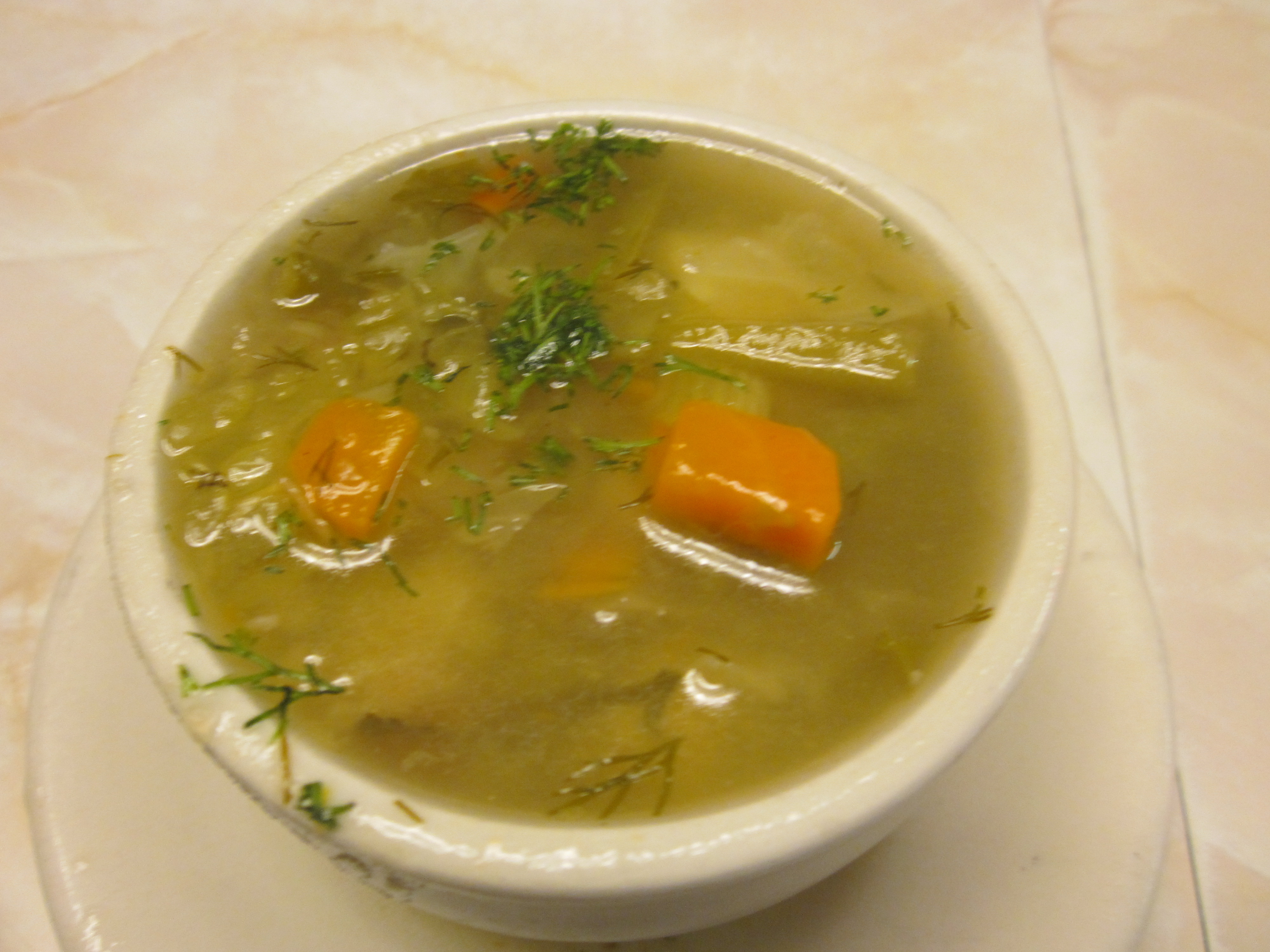
Cup of vegetable soup.

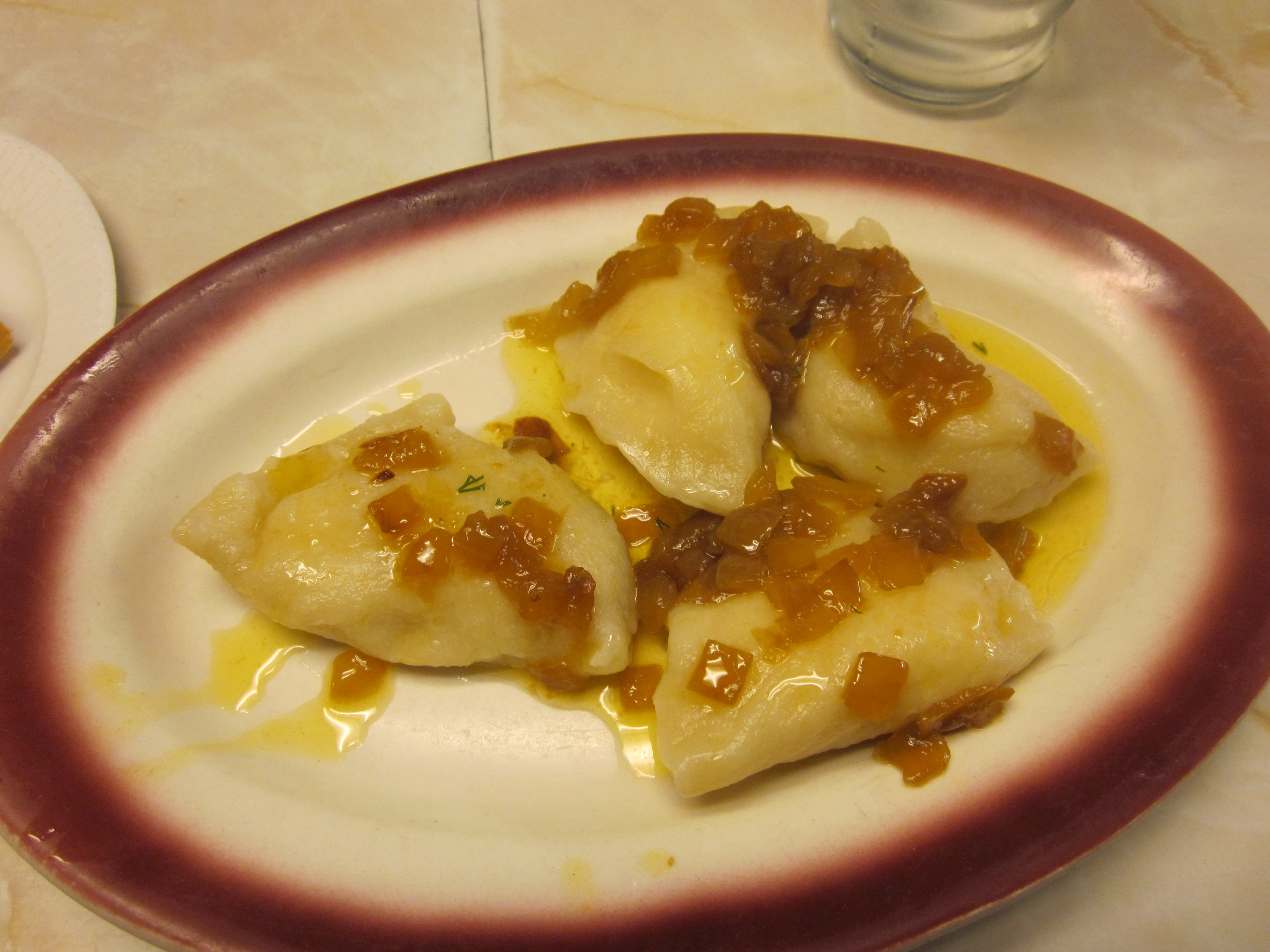
Four pierogies: two cheese, two potato.

And two slices of buttered challah bread. All for $5.99.

Where am I?

Leave your answers in the comments section. The place will be revealed on Monday.
The Un American African Place

27 Sep

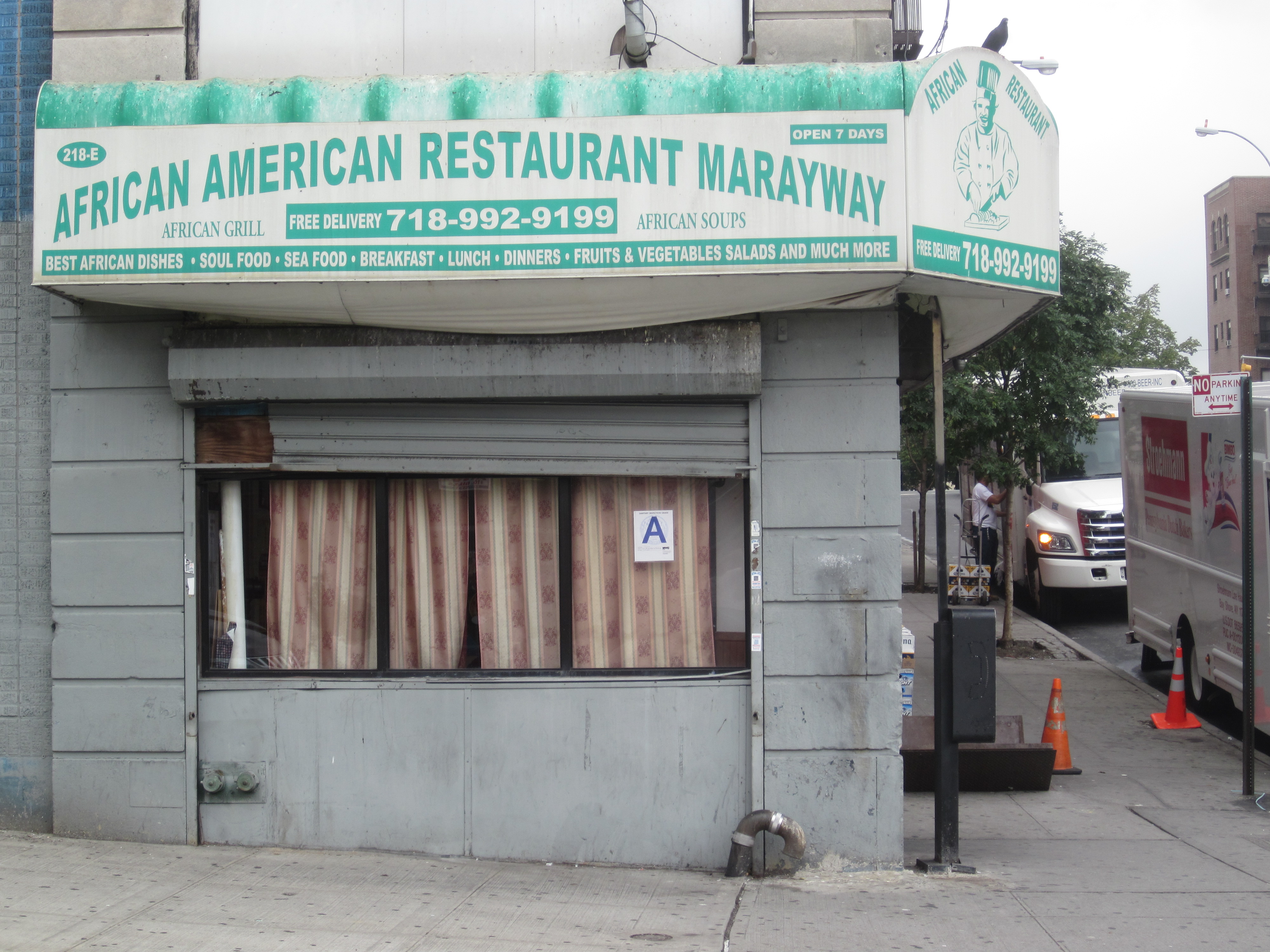
African American Marayway
218 E. 170th St
Bronx

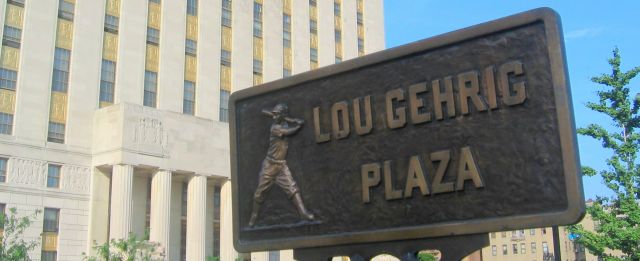
As Adam Clayton Powell Blvd merged onto the Macombs Dam Bridge, I could see the glow from the blue lights of the joint Yankee Stadiums on the other side of the Harlem River. While I was stuck in the stop and go traffic on the bridge, I noticed that the lettering on the new stadium was slightly different—more 21st Century, than the old one and wondered how much longer I would actually see the two stadiums side by side.* Once over the river and into the Bronx, I turned onto 161st Street, past Rupert Way, up toward Lou Gehrig Plaza and then north on the Grand Concourse. I was heading to a restaurant chosen by Mike from Yonkers called African American Marayway; the name being a mystery since the cuisine was supposedly Senegalese with no nods to African-American staples.
I doubt the Iron Horse ever had the pleasure of dining on Senegalese cuisine.

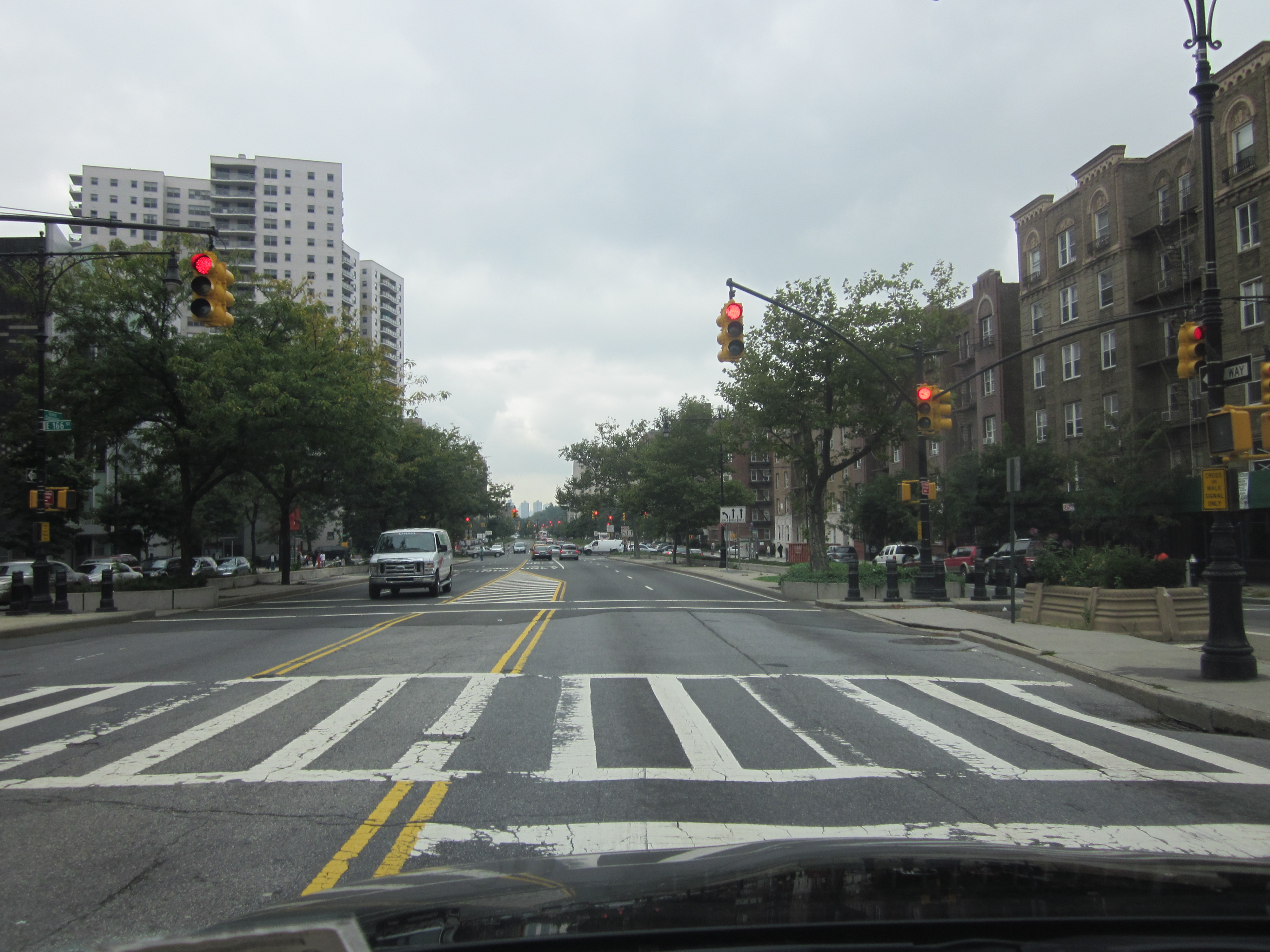
Just off the Concourse on 170th Street, down a hill where cars were parked at angles, I saw the small, corner restaurant. I parked on a very dark, barren street that in its desolation reminded me of the Bronx is Burning days of the 1970’s and was adjacent to a sloping park which, in the dark, looked more like a pit bull dog run than a park.

The Champs-Elysees of the Bronx: The Grand Concourse.

Everyone, with the exception again of Rick who was dutifully doing his best to play the game and survive in the crumbling publishing industry environment, were in attendance and seated at one of the restaurant’s three tables. Though it was not an abnormally cold night, the restaurant had no heat and winter jackets were required for dining.

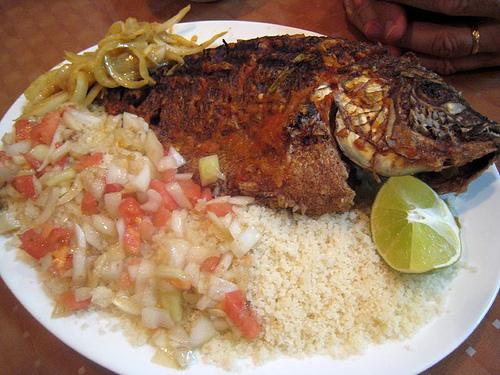
There were no menus and our hostess who was also one of the two female cooks situated safely behind a plexiglass counter, mentioned that she had tilapia. We told her to bring that. . .and anything else she had. Though this was as bare bones an establishment as we had been to, there was a television and it was inexplicably tuned to the NASA network where an operative in Houston droned on about satellite readings. Thankfully a gargantuan whole fish quickly appeared on our table smothered in onions and adorned with lettuce followed by another fish, this one chopped into pieces, accompanied by a variety of roasted root vegetables, and resting on a bed of brown couscous. The two platters sat there—we weren’t sure what to do and then our hostess returned with another platter; this one overflowing with white rice along with a plate of meat, (lamb we soon discovered) onions, and fried plantains.

Grilled tilapia

We were given a glass with utensils in it and expected to eat from the platters communal-style. When it comes to our group, though we are good at sharing; communal just doesn’t work and we requested additional plates. It took a little prodding, but we were soon given two more plates and a stack of aluminum take out containers.

Now that we were free to shovel the food onto our respective “plates” we did so with rapid fire gusto. The tilapia, on the bone, proved somewhat tricky, but, collectively our expert bone filleting fingers made clean work of the fish. Our hostess wasn’t quite finished; she returned with a bowl of what she called “gravy,’ chicken with onions and rich with palm oil that she suggested should accompany the rice and another bowl of “peanut butter;” a stew of goat meat, in a thick peanut and onion sauce.

With the sounds of the Houston NASA technician as background white noise, we worked fast, trying to finish before the food got as cold as we were. Though describing it now, the meal seems like a lot, but at the time, after finishing, it was if we were missing a course or two. And when our hostess told us that for all we ate, we owed a total of $30, almost as cheap as the  Old Poland Bakery, the record-setting Polish restaurant we visited in Greenpoint several years ago, the urge to spend and eat more increased.  Much of our discussion around the table was about ours and others current economic struggles and as we exited the restaurant, Gerry commented, fittingly, that with places around like African American Marayway, we would never starve.

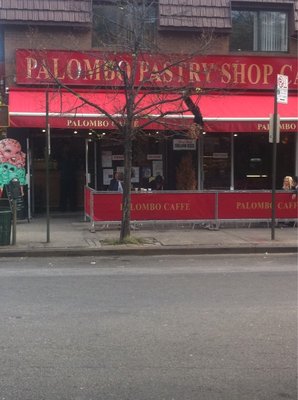
Gerry’s sentiments, however, didn’t deter us from stopping while we were ahead. We got in our cars and snaked north through the Bronx streets to the Italian-American neighborhood of Arthur Avenue in search of more food. Our destination was to be the famous Egidio Pastry Shop, but it was closed and we settled on one of the neighborhood’s newer establishments, the brightly-lit, garish, Palombo Pastry on the corner of 187th Street and Arthur Avenue.

The scene of the “crime.”

Having had my daily intake of caffeine I was the only one to defer from an espresso or cappuccino. Instead, I settled on a baba rhum.  While waiting for our order, I was anxious to call Rick and tell him of our African American Maraway adventure. Our drinks and pastries arrived and maneuvering around me, the waitress placed the tray at the edge of our table. While in mid-sentence with Rick—trying to describe Maraway’s unique attractions__Eugene was given his cappuccino which, apparently, upset the balance of the tray and three hot espressos tumbled onto my lap, the cups shattering on the floor as my voice turned into a gurgled semi-muffled scream. The café went silent as all eyes were on me. I clicked the phone closed and looked down at the disaster that was now my pants. When I looked up again, Eugene had a sarcastic smile on his face and said. “You should know by now that it’s quite rude to talk on the phone in a restaurant?”

*We visited African American Marayway a few months before the new Yankee Stadium opened and a year before the demolition of the old.